
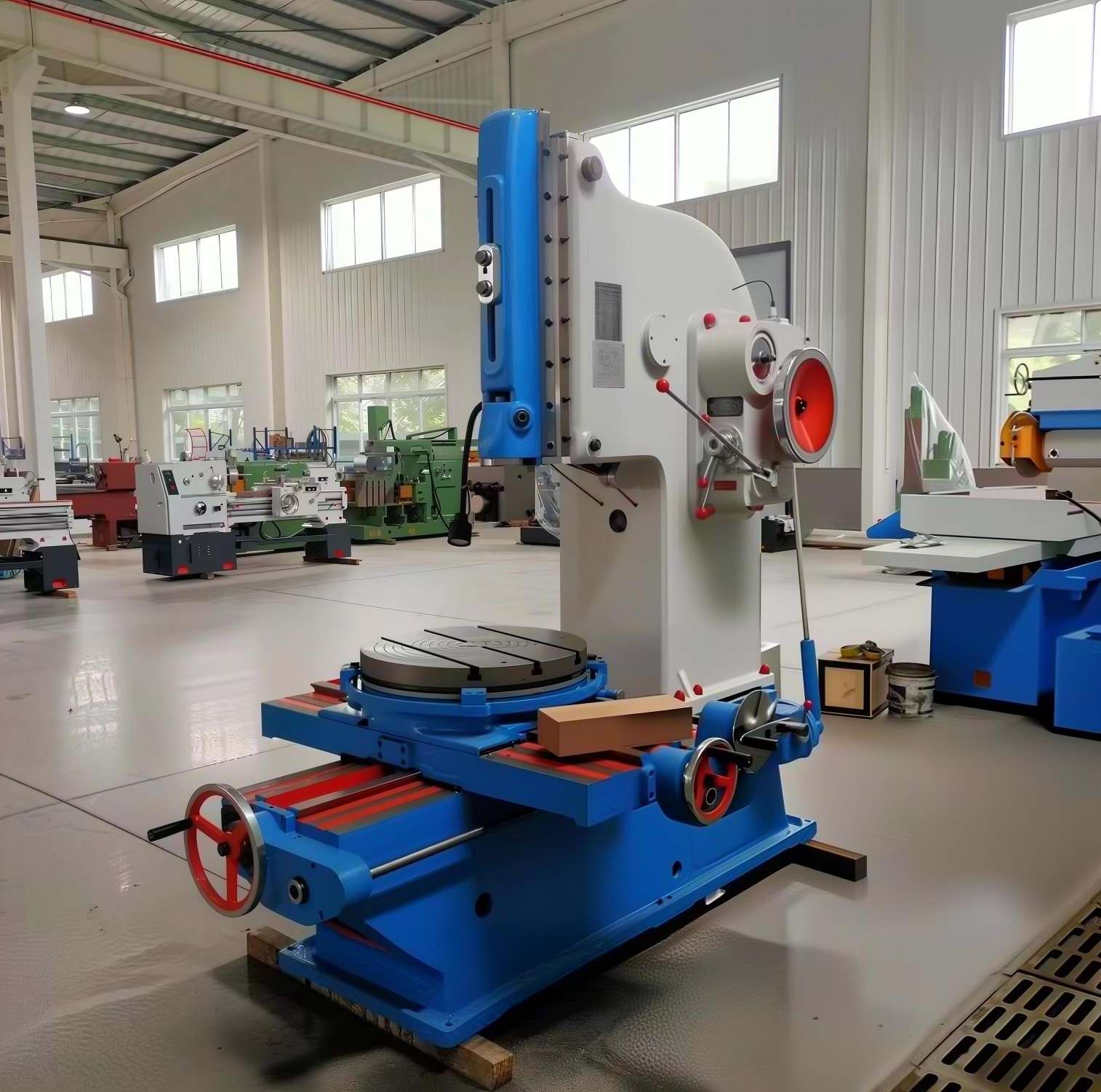
An internal keyway that is wide at the top and narrow at the bottom usually points to movement or misalignment during cutting.
Start with three checks: ram alignment, tool-bar overhang and table locking. Measure the slot at the top, middle and bottom. Then change one condition at a time.
Do not grind the key or force it into the slot. That may hide the size error, but it will not correct the keyway.
A Small Taper Can Scrap an Expensive Part
The keyway looks correct from the opening, but the key stops halfway down. Another key may enter, yet feel loose near the top.
Either result can cause poor torque transfer, difficult assembly and movement between the shaft and hub. In serious cases, the complete hub, gear or pulley must be scrapped.
This is especially costly because the keyway is often cut after turning, boring or heat treatment.
Find the taper during the first test cut, not after reaching the final depth.
Confirm the Error First
Remove all chips and oil. Measure the keyway near the top, at the middle and close to the bottom. Use a keyway gauge, gauge block or suitable internal measuring tool.
Check the depth as well as the width.
If both width and depth change, look for workpiece or table movement. If mainly the width changes from top to bottom, ram alignment or tool-bar deflection is more likely.
Quick Troubleshooting Table
| What you find | Likely cause | First action |
|---|---|---|
| Top wide, bottom narrow | Ram tilt or tool bending | Check alignment and overhang |
| Size changes between passes | Table or workpiece movement | Improve locking and clamping |
| One wall is more tapered | Tool is off-center | Check tool position |
| Depth changes along the slot | Workpiece is not level | Clean and reset the support |
| Bottom finish is rough | Tool bends or chips collect | Shorten the bar and clear chips |
| Size changes after warm-up | Slide clearance or poor oiling | Check gibs and lubrication |
Check the Ram Through the Full Stroke
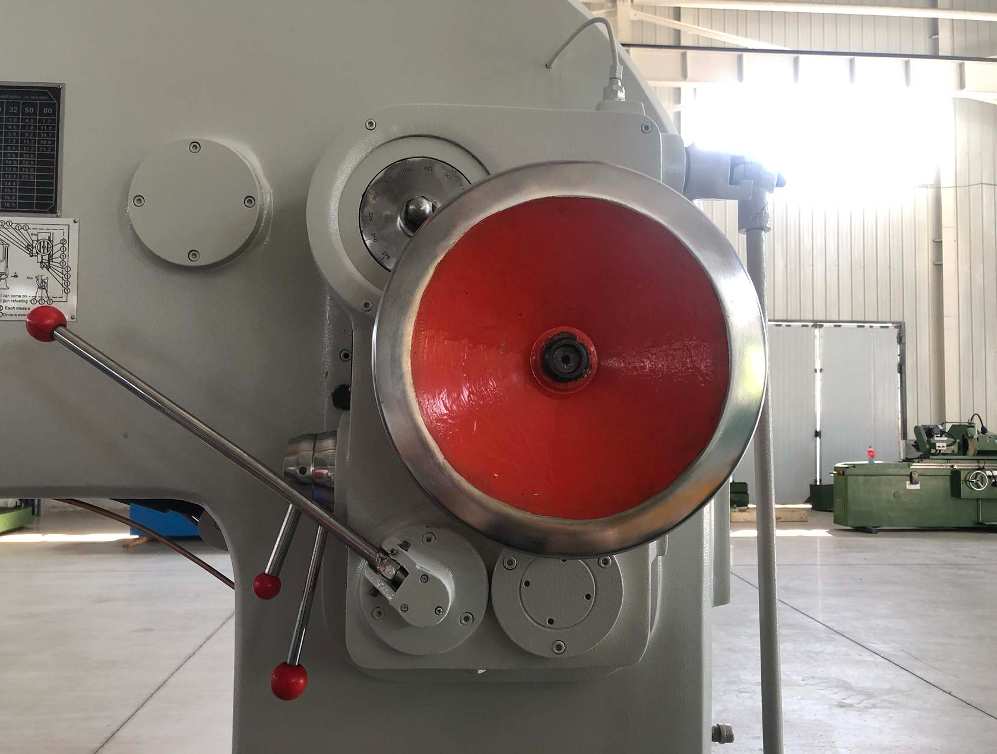
The ram guides the cutting tool. If it moves at a slight angle, the tool follows that angle through the keyway.
Use a dial indicator with a square or test bar. Check the same stroke length used for the job, not only a short movement near the top.
If the reading changes, inspect the ram guides and gib clearance. Also make sure the fixture sits on a clean table and the machine is firmly installed.
Do not tilt the workpiece to cancel a ram error. That may save one part while causing a different problem on the next job.
Shorten the Tool Bar
A long tool bar acts like a spring. Cutting force pushes it sideways, especially near the bottom of a deep keyway.
Use the shortest practical overhang and the largest bar that fits the bore. The cutting edge should be sharp and held firmly.
If the tool chatters, shorten the bar before changing several machine settings. If more correction is needed, reduce the cutting depth per stroke.
Short tool bar first. Lighter cut second.
Lock the Table and Support the Part
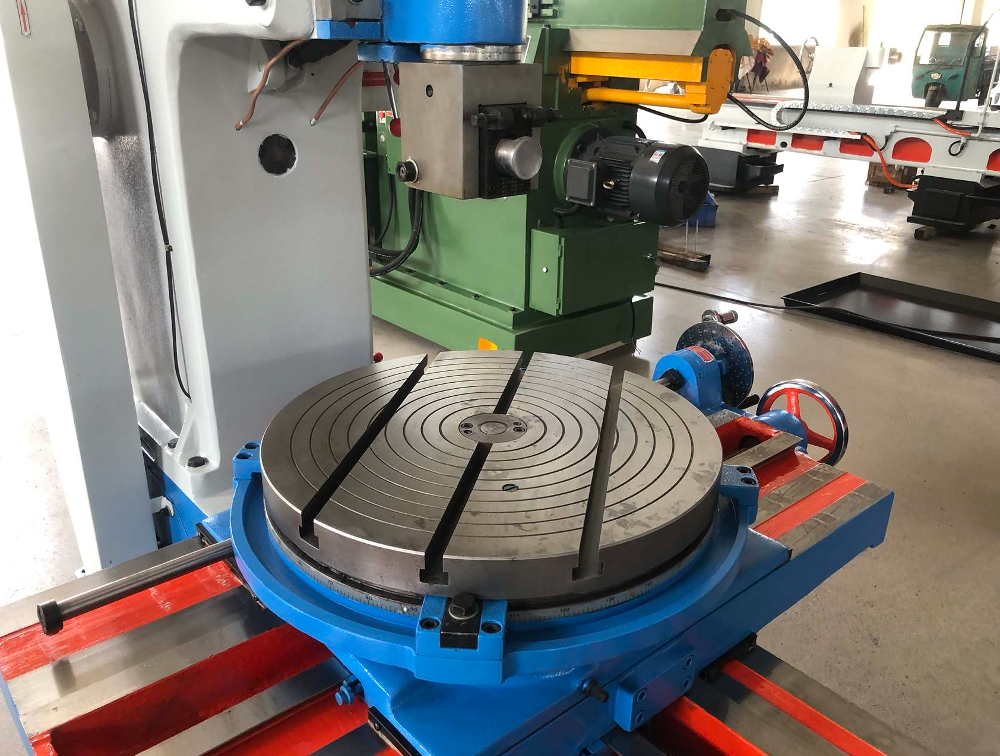
Repeated cutting force can move a table or fixture that feels tight by hand.
Clean the contact surfaces before clamping. A single chip under the hub can tilt the part. Lock all table movements that are not needed, then place the workpiece clamps close to the cutting area.
Thin hubs and rings may distort under too much clamp pressure. Support them evenly instead of simply tightening the clamps harder.
MFG Machinery provides slotting machines for internal-keyway and slotting work with different stroke lengths, table sizes and working capacities.
Make One Test, Then One Change
After correcting the setup, make a shallow test cut. Clean the slot and measure its top, middle and bottom again.
Use this order:
| Test stage | What to change |
|---|---|
| First | Ram alignment |
| Second | Tool-bar overhang |
| Third | Cutting depth per stroke |
| Fourth | Table lock and workpiece support |
Change only one condition between tests. Otherwise, a good result will not show which fault was removed.
Keep the best test piece or measurement record beside the machine. It gives the next operator a clear setup reference.
Market Insight: The Keyway Is Often the Last Risk
An internal keyway is commonly machined near the end of production. By then, the shop has already spent time on material, turning, boring and inspection.
This changes how workshops judge a slotting machine. Cutting speed still matters, but avoiding one rejected hub can matter more than saving a few seconds per stroke.
Users are paying closer attention to ram alignment, table locking and tool support inside deep bores. They also want to measure the slot before the final cut instead of discovering the error during assembly.
A keyway is not finished when the cut ends. It is finished when the key fits correctly from top to bottom.
Send the Job Details
For a slotting-machine recommendation, send the workpiece material, bore diameter, keyway width, depth and length. Also include the part size, weight, required tolerance and batch quantity.
A drawing or clear workpiece photo will help confirm the needed stroke, table size, tool clearance and clamping method.
Email: info@mfg-machinery.com
Phone: +86 175 2133 1995