
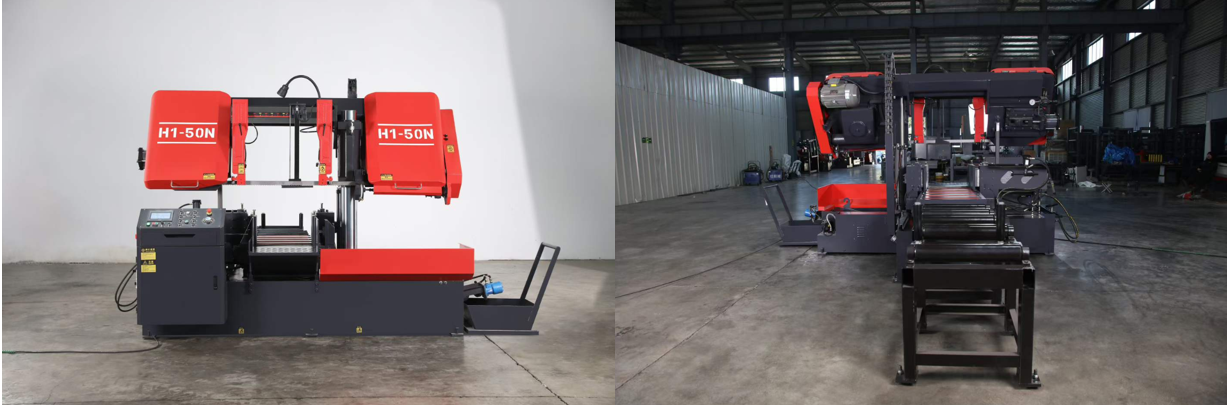
Are you experiencing frequent blade breakage, crooked cuts, or severe production bottlenecks with your metal band saw? Most shop owners blame the machine or the blades, but the actual root cause is usually a severe mismatch between the equipment's specifications and the daily workload. This guide reveals the hidden causes behind common sawing failures and how evaluating your material profiles, bundle shapes, and automation needs can solve these problems permanently.
When a metal band saw underperforms, it drains your profitability. Blades snap, materials get wasted, and operators spend hours fighting the machine instead of cutting metal.
Through years of industrial experience, we have found that 90% of "machine failures" during actual production happen because the buyer didn't answer a few critical technical questions before purchasing the equipment. Here is a breakdown of the most common sawing problems, why they happen, and how to fix them by choosing the right machine specs.
1. Quick Troubleshooting & Specification Table
If your shop is facing any of the following issues, use this matrix to identify the root cause and the exact technical specification you need to correct:
| Common Problem | The Hidden Root Cause | The Ultimate Solution |
|---|---|---|
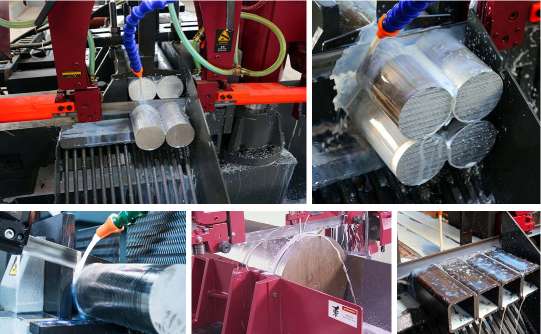
| Blades Snapping During Bundle Cutting | The bundle shifts during cutting because standard side vises cannot secure multiple round or square tubes. | Specify Bundle Shape/Size: You must upgrade to a machine with hydraulic top clamps designed specifically for bundle cutting. |
| Severe Production Bottlenecks | The operator is manually measuring and feeding long raw materials, slowing down output. | Evaluate Daily Output: Upgrade from a semi-automatic to a Fully Automatic CNC band saw to handle high daily cutting volumes. |
| Crooked or Inaccurate Angle Cuts | Manually rotating massive H-beams on the shop floor causes misalignment. | Confirm Angle Needs (45°/60°): Invest in a Rotary Angle (Miter) Band Saw so the machine head rotates, not the material. |
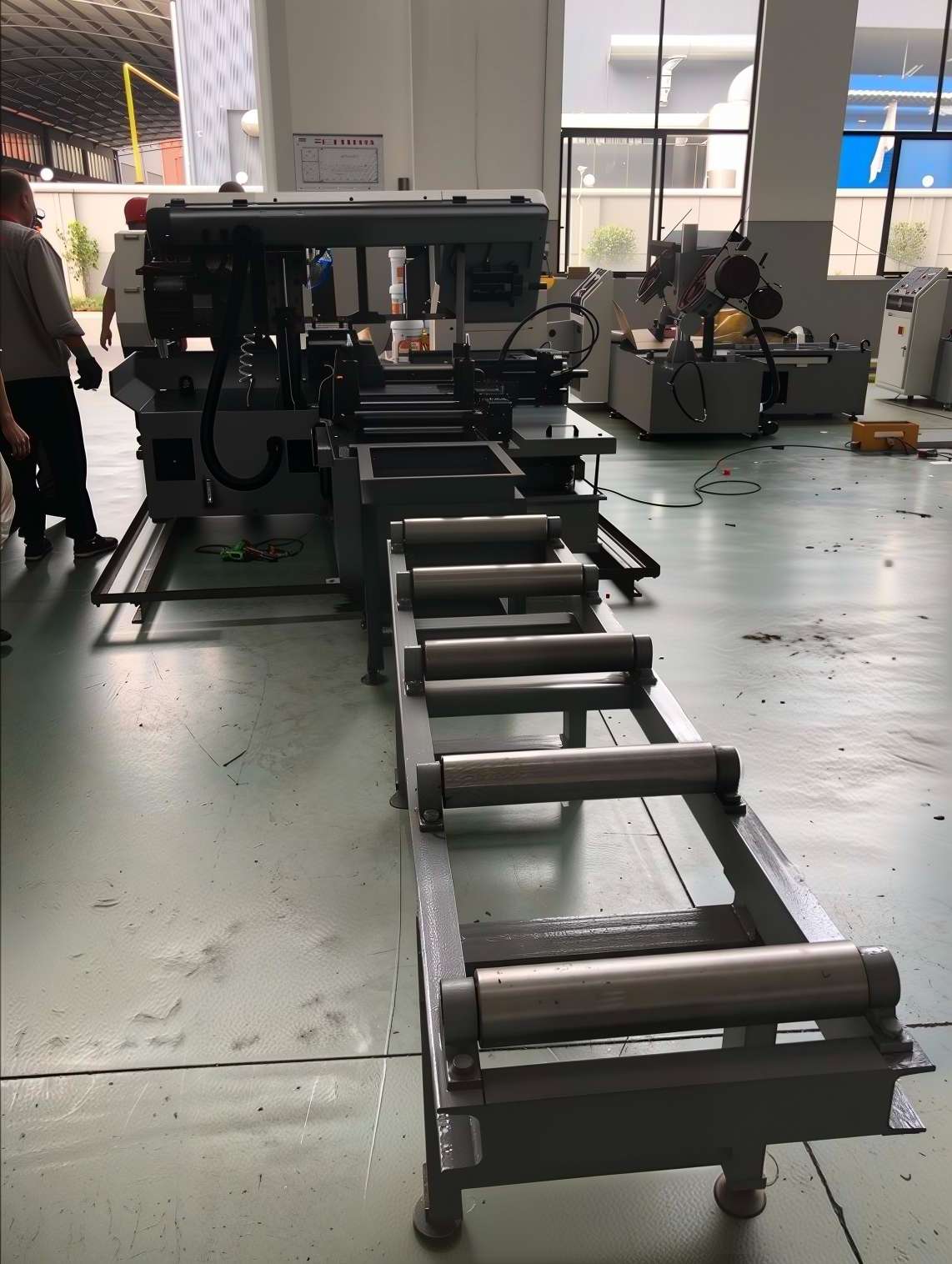
| Material Jamming or Falling | The raw material is too long and unsupported at the entry or exit point. | Add Roller Tables: Always specify the exact length of your raw material before cutting so proper feeding racks can be installed. |
2. Deep Dive: Material Profile vs. Cutting Capacity
One of the most frequent complaints we hear is that a machine "bogs down" or the motor overheats. This almost always happens because the buyer only looked at the "maximum cutting diameter" and ignored the material type.
Before starting any job, you must clearly define what you are cutting. Are you processing solid round bars, square steel, thin-walled pipes, or complex profiles?
- Solid Bars: Require high-torque motors and heavy feed pressure.
- Thin-Walled Pipes: Require precision feed control to avoid crushing the tube or stripping the teeth off the blade.
3. Vertical vs. Horizontal: Getting the Direction Right
Another common issue is awkward workpiece handling, particularly when dealing with intricate shapes.If your operators are struggling to maneuver large plates on a horizontal saw, you are using the wrong tool.
For contour cutting or internal cuts, you need a Vertical Metal Band Saw. To avoid clearance issues, you must confirm the cutting direction (horizontal or vertical), the required cutting height, the throat depth, and the maximum stroke.
4. Market Insight: Stop Wasting Money on the Wrong Automation Level
Let's talk about real-world ROI. In fast-growing manufacturing sectors like structural steel or heavy machinery repair, many shop owners try to save money by purchasing a basic, semi-automatic band saw. However, if your daily required sawing output is hundreds of cuts per day, that "cheap" machine will cost you a fortune in wasted labor hours.
By analyzing your required cuts per day and the length of your raw materials before purchasing, you can justify the ROI of a fully automatic machine. A fully automated setup with proper material feeding racks (roller tables) allows one operator to manage multiple machines, drastically reducing your cost per cut.
5. Prevent Failures by Partnering with MFG Machinery
The easiest way to solve band saw problems is to buy the right machine with the right specifications from day one. At MFG Machinery , we have a highly professional sawing machine sales and engineering team. We don't just sell machines; we analyze your exact materials, bundle dimensions, and daily output goals to build a sawing system that won't fail you on the shop floor.
Don't let the wrong machine ruin your production schedule.
If you have any technical questions or need a customized sawing solution, please feel free to contact us at info@mfg-machinery.com !