
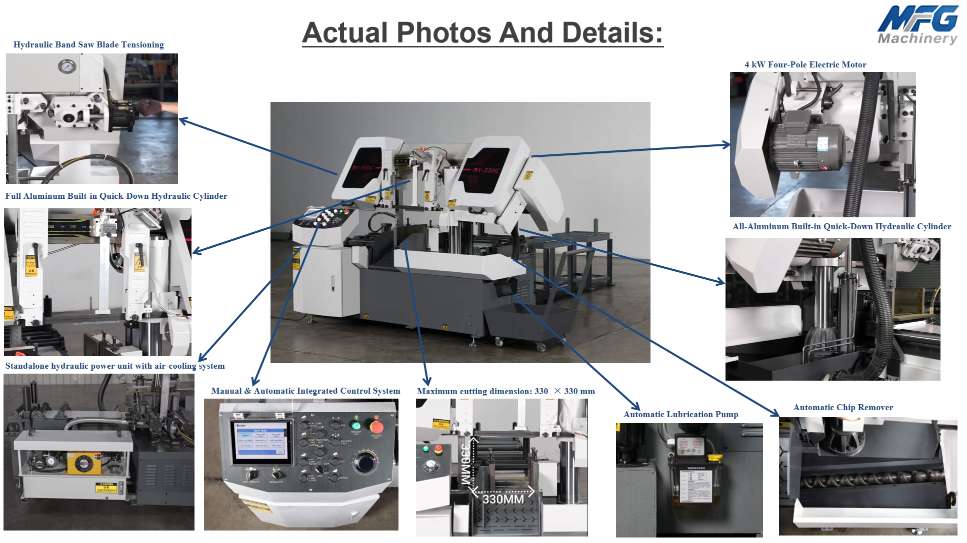
If your sawing machine is shaking heavily or making a high-pitched screaming sound, stop the machine immediately.
The most common culprits are the wrong blade tooth pitch , a loose material clamp, worn-out guide bearings, or improper cutting speeds.
Fixing these small details prevents broken blades and saves you money on replacement parts.
The Hidden Cost of a Noisy Workshop (Market Insight)
In the metalworking industry, many operators think a loud, shaking machine is just "working hard." But as a manufacturing solutions expert, I often tell my clients: noise is wasted energy, and vibration is the enemy of your tools.
Recent industry feedback shows that shops ignoring heavy machine vibration spend up to 40% more on replacement band saw blades every year. A quiet, smooth cut means your tool is doing its job efficiently. If your machine is shaking or screaming, it is asking for help. Let’s look at how to find and fix the problem.
1. What to Check When the Machine "Screams"
A high-pitched squealing or screaming noise usually means there is too much friction. It is almost always related to the blade or the guides.
- Wrong Speed and Feed Rate: If the blade is spinning too fast, but pushing down into the metal too slowly, it will rub instead of cut. This causes a loud squeal. Always check your cutting chart and adjust the speed for the specific metal you are cutting.
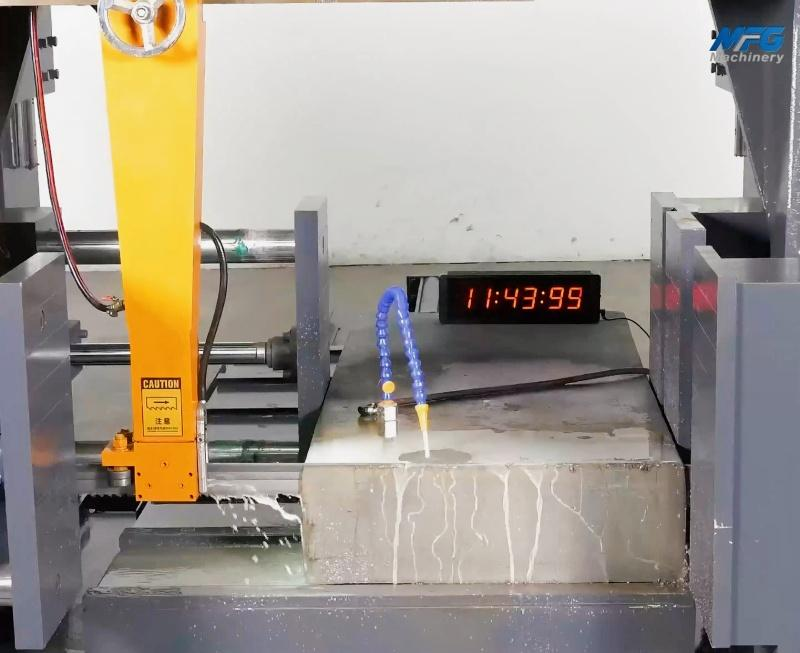
- Dry Cutting (Lack of Fluid): Metal cutting creates a lot of heat. If your cooling fluid is not hitting the cut directly, or if the mix is too weak, the blade will get hot and noisy. Make sure the fluid nozzles are clean and pointing at the right spot.
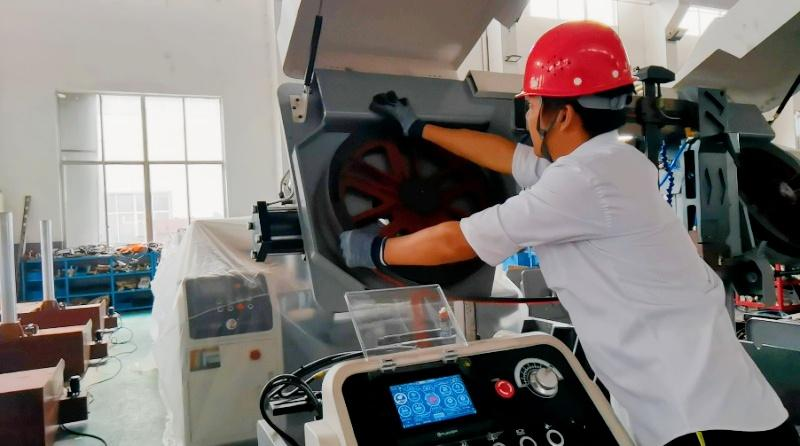
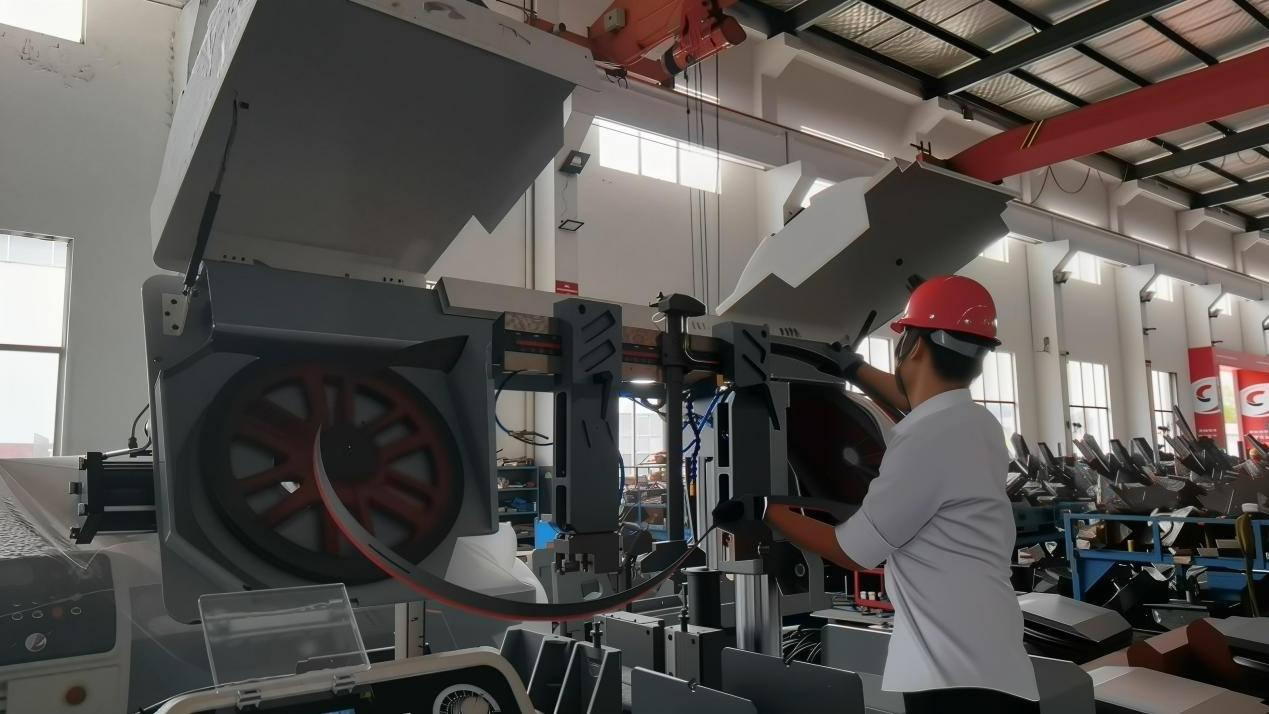
- Worn Guide Bearings: The small wheels that hold the blade straight can wear out. If they stop rolling and just rub against the blade, they will squeal. When setting up your shop, investing in reliable equipment
2. What to Check When the Machine Shakes and Vibrates
Heavy shaking is a physical setup problem. It means something is loose or the machine is fighting the metal.
- Loose Workpiece: This is the number one cause of heavy shaking. If the vise (clamp) is not holding the metal 100% tight, the metal will jump with every saw tooth that hits it. Always double-check your clamping pressure.
- The Wrong Blade Teeth (TPI): If you try to cut a thin metal pipe with a blade made for thick solid steel, the big teeth will grab the thin metal and shake the whole machine. Always use a blade with fine teeth for thin materials.
- Low Machine Rigidity: Sometimes, the problem is the machine itself. Cheap, lightweight saws will shake when cutting hard metals. A good industrial saw needs a heavy cast iron or thick steel base to absorb the force.
Quick Diagnostic Table: Find the Fix Fast
Keep this quick guide near your machine for easy troubleshooting:
| The Symptom | Most Likely Cause | How to Fix It Today |
|---|---|---|
| High-Pitched Squeal | Blade speed too high / Feed rate too low | Lower the blade speed and slightly increase the downward pressure. |
| Heavy Machine Shaking | Workpiece is loose in the vise | Stop the cut. Clean the vise bed and re-clamp the metal tightly. |
| Knocking or Clicking Sound | Missing tooth or crack on the blade | Take off the blade and inspect it. Replace if cracked to avoid danger. |
| Blade Wandering (Crooked Cut) | Low blade tension or worn guide bearings | Tighten the blade to the correct tension. Check guide wheels for flat spots. |
Final Thoughts
Troubleshooting your sawing machine doesn't have to be complicated. By listening to your machine and checking the basics—clamping, blade teeth, and cooling fluid—you can solve 90% of noise and vibration problems.
A smooth cut protects your investment and keeps your production running on time.
If you are dealing with consistent cutting issues or looking to upgrade to a more rigid, reliable cutting solution, our engineering team is here to help you find the right answer, without the hard sell.
Need technical support or advice on your next machine?
Send us your cutting requirements at: info@mfg-machinery.com