
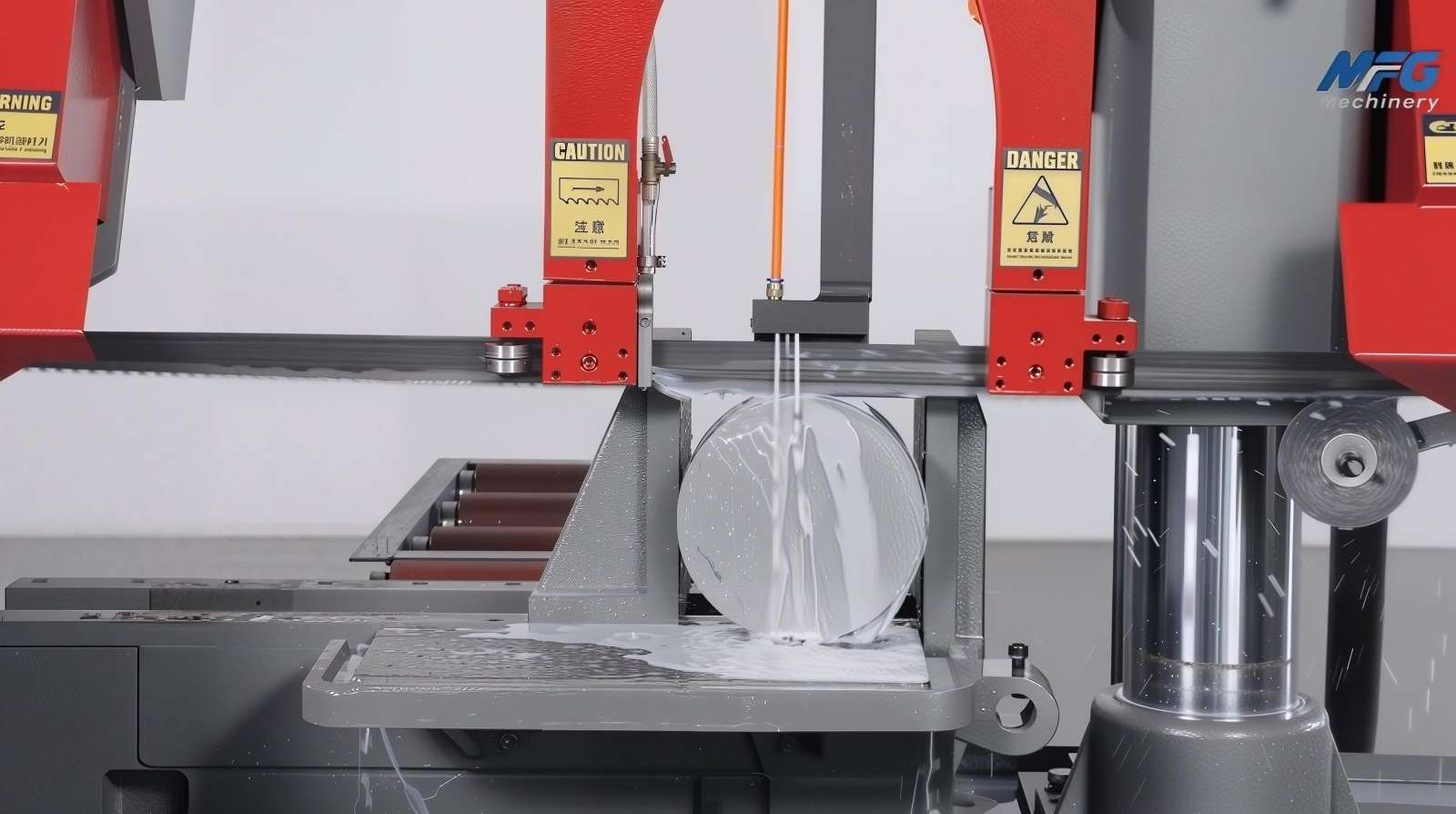
If your factory cuts solid bars, tubes, profiles, or plates every day, the right sawing machine can save time and reduce waste.
- A horizontal band saw is a good choice for stable straight cutting of bars, pipes, and bundles.
- A vertical band saw is better for curved cuts, small batch work, and irregular workpieces.
- A high-speed circular saw is suitable for fast, clean cutting of bars and tubes in batch production.
- The best choice depends on material type, cutting size, cutting speed, surface finish, and daily output.
Why This Comparison Matters ?
Many buyers search for a metal cutting machine only by price or machine size. But in real production, the better question is: “What kind of cutting job will this machine do every day?”
A workshop that cuts steel bars for raw material preparation does not need the same machine as a workshop cutting special profiles. A parts factory that needs clean, repeat cuts may also have different needs from a repair shop handling many shapes.
This is why horizontal band saws, vertical band saws, and high-speed circular saws are often compared. They all cut metal, but they are not made for the same working style.
1. Horizontal Band Saw: Stable Cutting for Bars, Tubes, and Bundles
A horizontal band saw is widely used for straight cutting. The workpiece stays fixed, and the saw frame moves down to complete the cut.
It is often used for:
- Round bars
- Square bars
- Steel pipes
- Aluminum profiles
- Bundled materials
- Raw material preparation before machining
The main advantage is stable cutting. For factories that need regular straight cuts, a horizontal band saw is practical and easy to use. It can handle many material sizes and is suitable for daily production.
For many buyers, a horizontal band saw for metal cutting is the first choice because it gives a good balance between cutting ability, blade cost, and machine price.
2. Vertical Band Saw: Better for Shapes, Curves, and Flexible Cutting
A vertical band saw works in a different way. The blade moves in a fixed vertical line, and the operator moves the workpiece by hand or with a table system.
It is often used for:
- Irregular workpieces
- Small batch cutting
- Curved or angled cutting
- Plate trimming
- Tool room work
- Maintenance parts
The key advantage is flexibility. If the workpiece shape changes often, or if the operator needs more control over the cutting path, a vertical band saw can be easier to use than a horizontal type.
However, it is not usually the first choice for high-volume straight cutting. For long bars or repeat cuts, a horizontal band saw or high-speed circular saw may be more efficient.
If you are comparing metal cutting machines for your factory, you can also check MFG Machinery’s sawing machine category here: Sawing machine solutions
For more machine tool options, visit: MFG Machinery products
3. High-Speed Circular Saw: Fast Cutting with Clean Finish
A high-speed circular saw is designed for fast and accurate cutting. Compared with a band saw, it usually gives a cleaner cutting surface and shorter cutting time, especially for suitable bars, tubes, and profiles.
It is often used for:
- Steel bars
- Aluminum bars
- Copper bars
- Metal tubes
- Profile cutting
- Batch production
The main advantage is speed. If your factory needs many repeat cuts with a clean surface, a high-speed circular saw can improve production flow.
It is a good option when the cutting size is stable, the material type is clear, and the factory wants faster output. For buyers searching for a high-speed circular saw for metal tube cutting or bar cutting, the focus should be on material size, blade type, feeding system, and cutting accuracy.
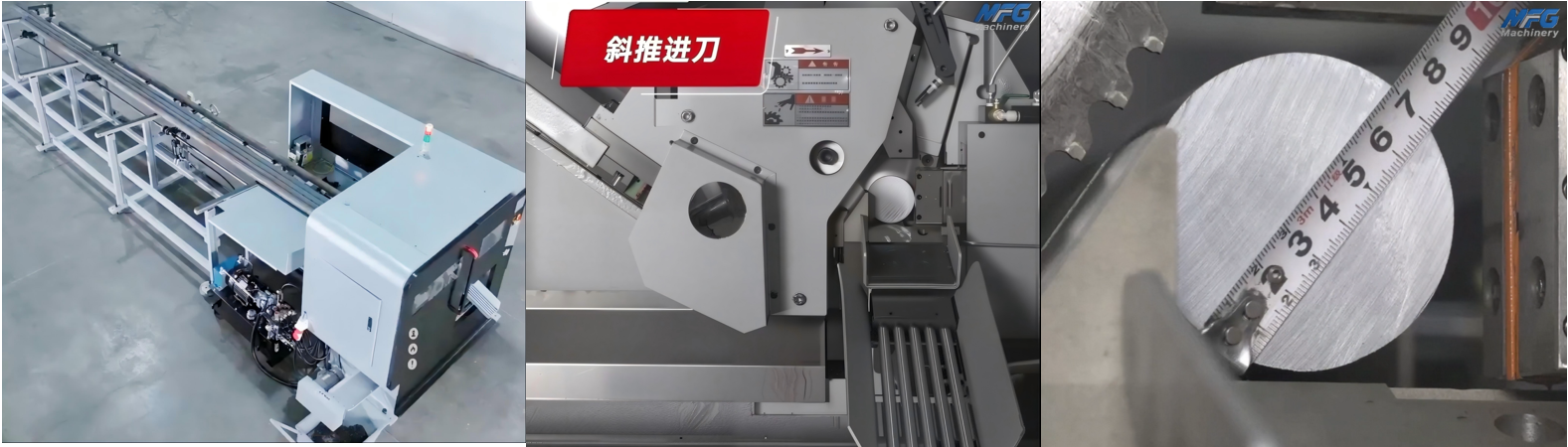
Troubleshooting Comparison Table:
| Common Cutting Problem | Horizontal Band Saw | Vertical Band Saw | High-Speed Circular Saw |
|---|---|---|---|
| Cut is not straight | Check clamping, blade tension, and feed speed | Operator control affects the cutting path | Check blade condition and material feeding |
| Cutting speed is too slow | Suitable for stable cutting, but not always the fastest | Best for flexible work, not high-volume straight cuts | Usually faster for repeat bar and tube cutting |
| Cutting surface is rough | Check blade tooth type and coolant | Suitable for rough or shape cutting, finish may vary | Often gives a cleaner surface when matched with the right blade |
| Material moves during cutting | Strong clamping is important | Workpiece support is important | Feeding and clamping must be stable |
| Blade wears too fast | Check material hardness and blade speed | Check cutting pressure and workpiece movement | Choose the right circular saw blade for the material |
| Too much material waste | Band saw kerf is usually smaller | Depends on cutting path | Circular saw kerf may be wider, but cutting is faster |
| Need to cut many different shapes | Limited for curved shapes | Strong advantage | Better for repeat straight cuts |
| Need batch production | Good for bars, pipes, and bundles | Not ideal for large batch straight cutting | Strong choice for fast repeat cutting |
Market Insight: Buyers Want Cutting Stability, Not Just Speed !
In today’s metalworking market, many buyers are not only looking for a faster machine. They also want stable cutting, easy operation, and lower rework.
For steel service centers, profile factories, machine shops, and metal parts suppliers, cutting is often the first step before drilling, milling, turning, or welding. If the first cut is poor, the next process becomes harder.
This is why more buyers now compare sawing machines by real shop-floor needs:
- What material will be cut most often?
- What is the largest cutting size?
- Is the cutting job straight, angled, or curved?
- Is the factory cutting single pieces or batch orders?
- Does the cut surface need to be very clean?
- How much space is available in the workshop?
A machine that matches these points will usually work better than a machine chosen only by price.
How to Choose the Right Sawing Machine ?
Choose a horizontal band saw if your main job is straight cutting of bars, tubes, profiles, or bundled material.
It is a practical machine for many workshops and raw material cutting lines.
Choose a vertical band saw if you often cut different shapes, plates, small parts, or curved lines. It is suitable for repair work, tool rooms, and flexible cutting tasks.
Choose a high-speed circular saw if you need faster repeat cutting, cleaner cutting surfaces, and stable batch production for bars, tubes, or profiles.
If your factory has special material sizes or production needs, it is better to discuss the cutting job before choosing the machine model.
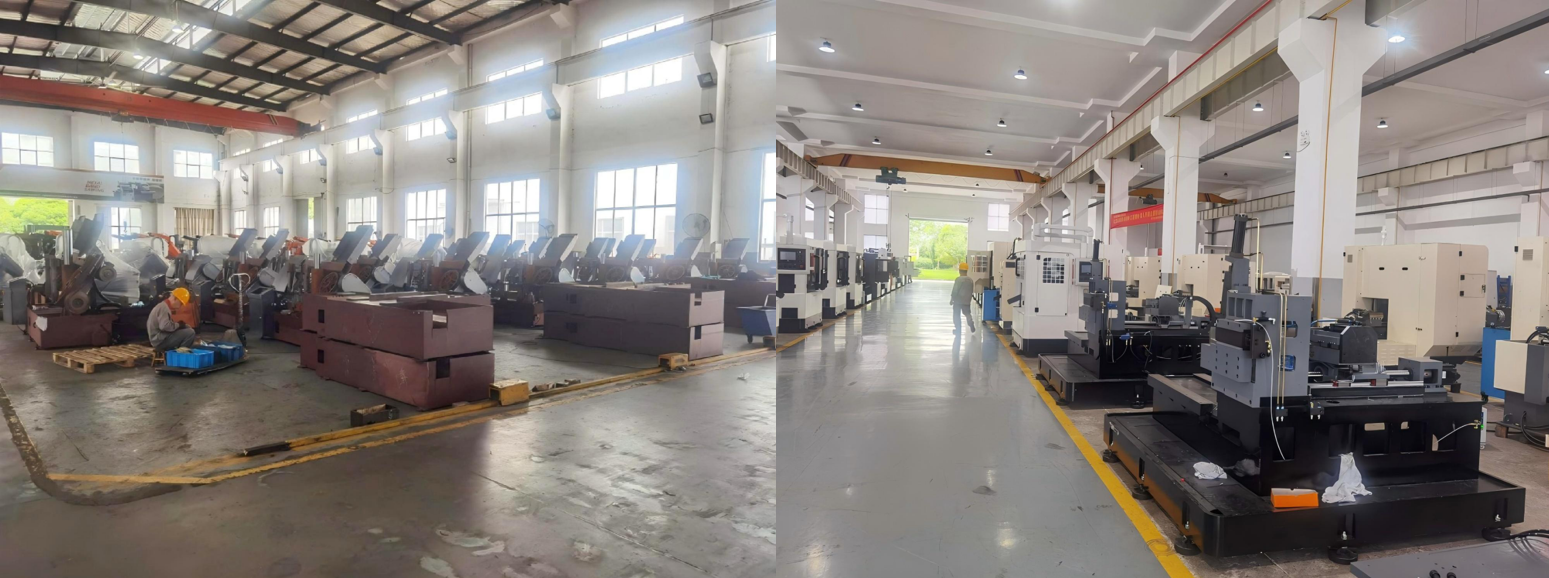
MFG Machinery can help customers match sawing machines with real production needs, including material type, cutting size, daily output, and workshop layout.
For machine selection or technical questions,
Contact us at: info@mfg-machinery.com