
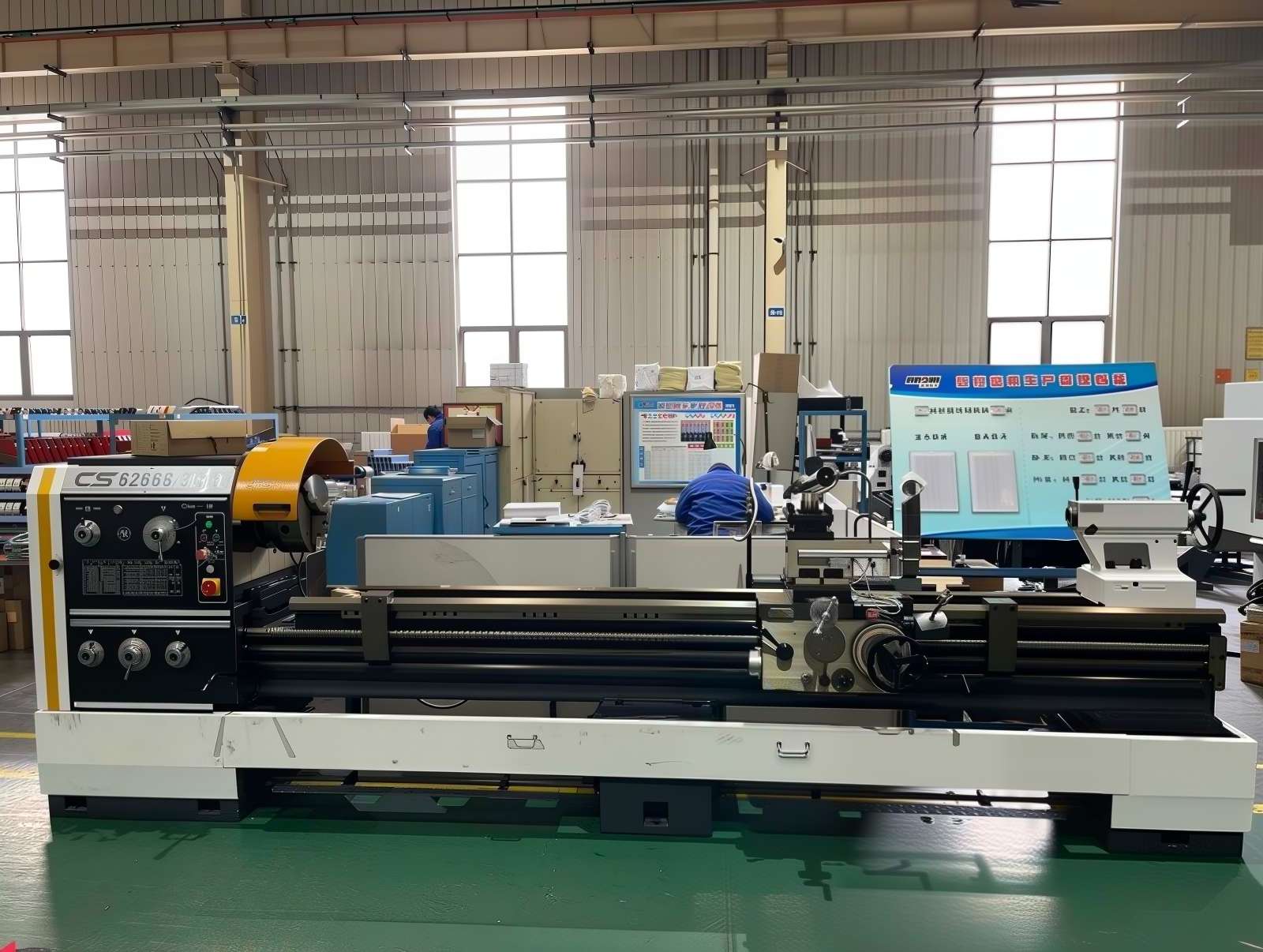
When evaluating a manual lathe vs CNC lathe for repair shops, the right choice depends on your production volume, budget, and required flexibility. While CNC machines excel in mass production, manual lathes offer unmatched versatility, lower initial costs, and simpler maintenance, making them highly profitable for custom repair work and one-off part fabrication.
For many fabrication and maintenance business owners, upgrading equipment brings up a common dilemma: should you invest in automated technology or stick to traditional machinery?
Understanding the true differences between a manual lathe vs CNC lathe for repair shops is crucial for maximizing your Return on Investment (ROI). This guide breaks down the essential factors to help you make the most cost-effective decision.
Understanding the Core Differences in Machining:
Both machines share the same fundamental purpose—removing material from a rotating workpiece—but their operational approaches are entirely different.
- CNC Lathes (Computer Numerical Control): These machines are driven by programmed software. They are incredibly precise and fast when producing hundreds of identical parts. However, they require programming time for every new part, which can be inefficient for single-item repairs.
- Manual Lathes (Conventional Lathes): Operated entirely by a skilled machinist using handwheels and levers. They allow the operator to "feel" the cut and make instant adjustments, which is absolutely vital when repairing a damaged shaft or re-threading a worn pipe.
Which is Better for Your Shop?
To help you evaluate the best fit for your specific daily operations, use this quick-reference comparison table:
| Evaluation Criteria | Manual Lathe | CNC Lathe | Shop Recommendation |
|---|---|---|---|
| Initial Investment | Low to Medium | High | Manual is better for shops with strict budget limits. |
| Setup Time | Fast (Immediate cutting) | Slow (Requires programming) | Manual wins for one-off repair jobs. |
| Flexibility | Extremely High | Low for single parts | Manual allows instant adjustments for custom repairs. |
| Mass Production | Slow and labor-intensive | Extremely fast and consistent | CNC is mandatory if you manufacture parts in bulk. |
| Maintenance Cost | Low (Simple mechanics) | High (Complex electronics) | Manual ensures higher uptime in harsh conditions. |
Why Emerging Markets and Extreme Climates Favor Manual Lathes
When deciding between a manual lathe and a CNC lathe, you must also consider your geographical and economic environment.
- Reliability in Extreme Cold: For repair shops located in regions like Russia or Central Asia, harsh winters can cause sensitive electronic components in CNC machines to fail. Conventional lathes feature robust mechanical gears and simplified electrical systems that remain highly reliable even in freezing temperatures.
- Rapid ROI in Emerging Markets: In rapidly growing industrial hubs across Latin America (such as Mexico and Brazil), repair shops often prioritize quick profitability and lower maintenance overheads. A heavy-duty manual lathe provides the exact versatility needed to service local mining, agricultural, or automotive industries without the steep learning curve of CNC programming.
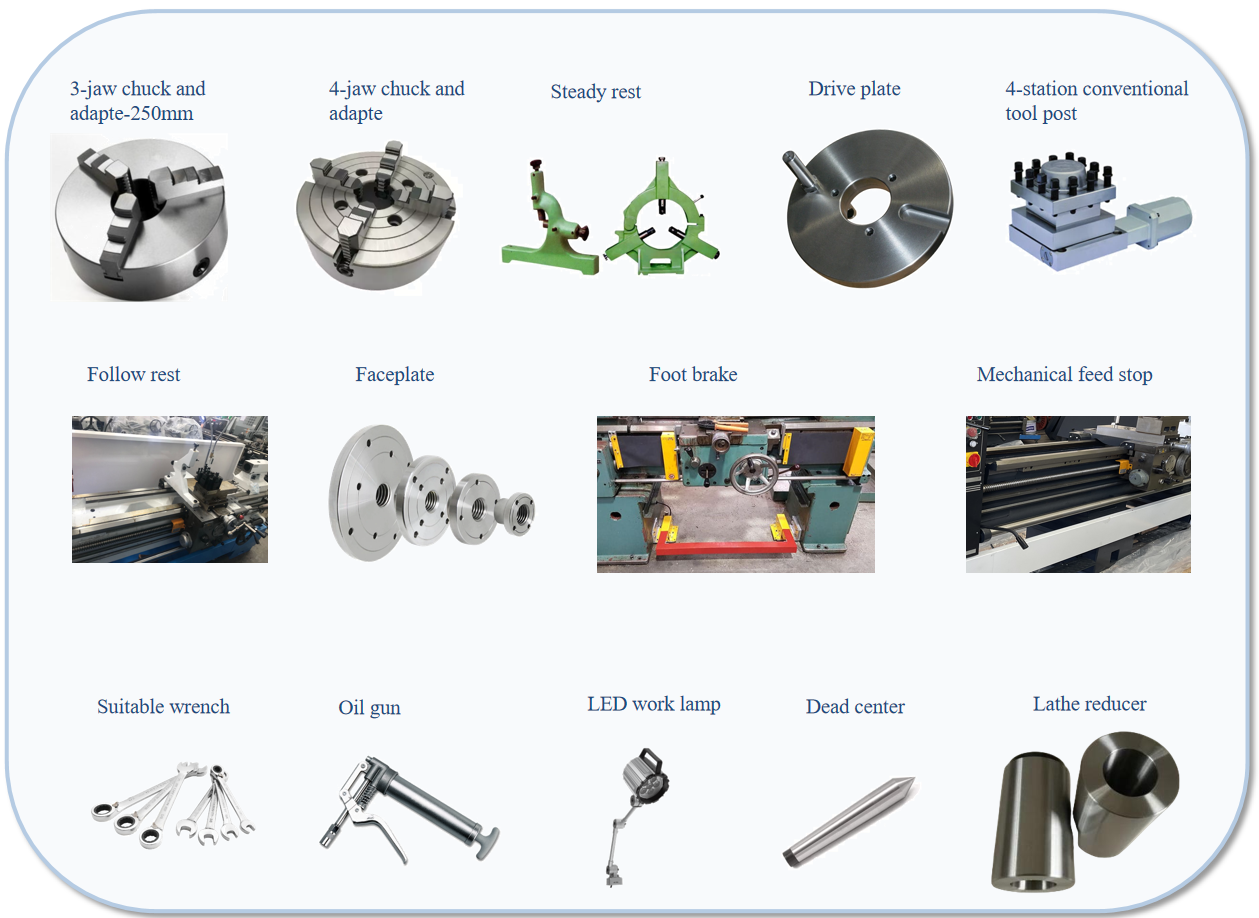
Make the Right Choice for Your Repair Business
Ultimately, the debate of a manual lathe vs CNC lathe for repair shops comes down to your daily workflow. If your business revolves around custom repairs, modifying single parts, and keeping initial costs low, a high-quality conventional lathe is undoubtedly your best investment.
At MFG Machinery, we specialize in providing exceptionally durable and precise conventional lathes tailored for industrial repair shops worldwide. Our equipment is built to withstand tough environments while delivering the flexibility your machinists need.
Ready to upgrade your shop's capabilities?
Contact MFG Machinery today for a customized quote and expert technical advice!