
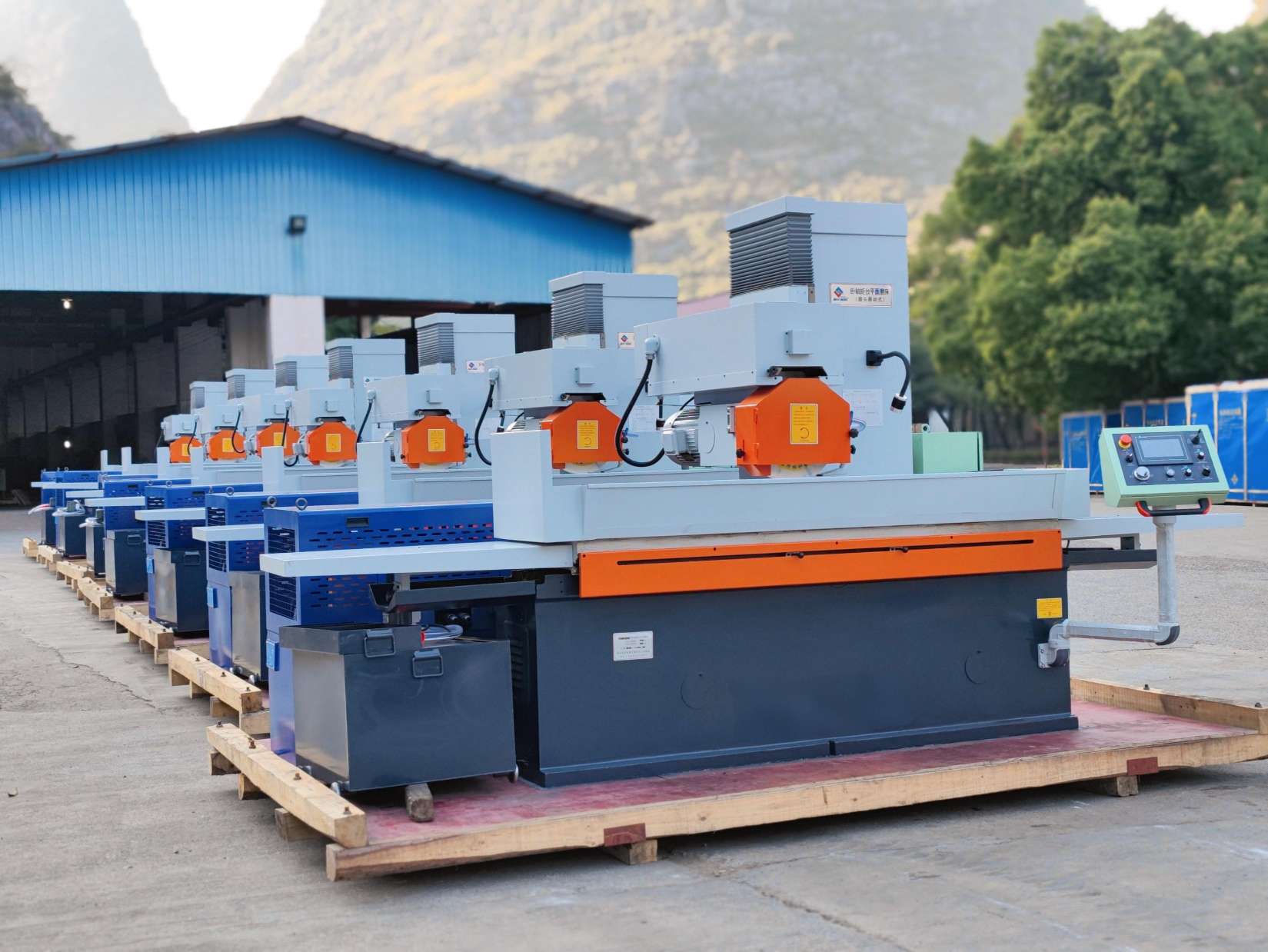
Machining accuracy on a surface grinder isn't just about the machine itself. It comes down to machine rigidity, grinding wheel choices, speed settings, workpiece clamping, and even the room temperature. Read on to find out how to troubleshoot precision issues and get the flat, smooth finish your clients expect.
A surface grinder is a machine tool that uses a fast-spinning grinding wheel to remove material from a workpiece, making it perfectly flat and smooth. It is widely used in making molds, precision parts, and general machining.
However, getting that perfect flatness, parallelism, and surface roughness (like Ra 0.63) isn't always easy. If your parts are coming out warped, rough, or out of tolerance, there are several practical reasons why this happens. Let's break down the main factors so you can fix them.
1. The Machine Structure and Heat
Before you even look at the cutting tools, check the machine itself.
- Rigidity: If the machine bed or column is not stiff enough, it will vibrate or bend slightly under pressure, which ruins your flatness. The straightness and parallelism of the guide rails directly control how straight the table moves.
- Spindle Issues: If the spindle has radial runout (wobbles) or the bearings are worn and poorly lubricated, the wheel won't spin true. This makes the surface rough.
- Heat Expansion: This is a big one. The motors and hydraulic systems generate heat, causing machine parts to expand and pushing the spindle out of alignment. Even the workpiece itself can get hot, expand during grinding, and then shrink and warp after it cools down.
2. The Grinding Wheel and Coolant
Using the wrong wheel is a fast way to ruin a part.
- Wheel Specs: You need to match the abrasive to the metal. For example, use alumina wheels for steel parts.
- Dressing and Balance: If the wheel isn't dynamically balanced, it shakes. If you don't dress (trim) the wheel on time or use the wrong diamond pen angle, the abrasive grains become dull, clogging the wheel and distorting the shape.
- Cooling System: You must spray coolant directly into the grinding zone. If the flow is too low, heat builds up and burns the workpiece. Also, if your filter is broken, old metal chips and wheel dust will cycle back through and scratch your freshly ground surface.
(For more details on Surface Grinding machine builds:https://www.mfg-machinery.com/type/grinding-machine.)
3. Operating Parameters and Clamping
Even a perfect machine will cut badly if set up wrong.
Speeds and Feeds: If the wheel spins too fast, abrasive bits fall off; if it's too slow, it burns the metal. Pushing the work table too fast will cause vibrations and leave a rough texture.
Depth of Cut: Taking off too much metal at once forces the machine to bend. A safe margin is 0.05~0.1mm per pass for roughing, and 0.005~0.01mm for finishing.
Workpiece Clamping: A dirty magnetic chuck is a common trap. If there is dirt under the part, it will sit unevenly, and the clamping force will warp it.
Troubleshooting Common Grinding Issues
To help you diagnose problems on the shop floor, here is a quick guide to fixing common errors:
| Problem on Workpiece | Most Likely Causes | How to Fix It |
|---|---|---|
| Burn marks on metal | Low coolant flow, wheel too slow, wrong fluid. | Aim coolant directly at cut, check pump pressure, switch to water-soluble fluid for roughing. |
| Surface scratches / lines | Clogged wheel, dirty coolant, poor wheel dressing. | Dress the wheel , clean the magnetic chuck , check filtration system. |
| Vibration patterns (chatter) | Spindle wear, machine lacks rigidity, wheel out of balance. | Re-balance the wheel , lower the table feed speed. |
| Part is warped (not flat) | Thermal expansion, clamped too tight, bed distortion. | Ensure room temp doesn't fluctuate more than ±1℃/h , use auxiliary supports for thin parts. |
Market Insight: The Shift to Automation
Right now, we see a strong trend where buyers are moving away from purely manual machines. Because manual alignment and empirical judgment can easily lead to uneven cutting margins, more factories are requesting PLC panels and CNC systems. While CNC systems can also cause flatness issues if the servo motors or screw compensations are set wrong, they generally provide much more stable, repeatable precision for large batch orders.
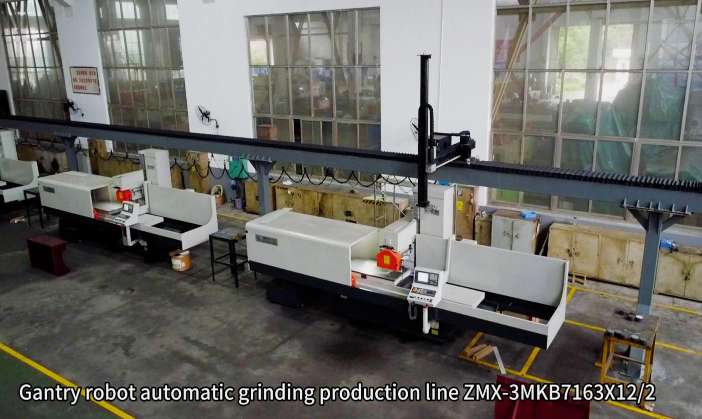
Case Study: High-Precision Flatness for the Middle East
To give you a real-world example, we recently had a customer from Egypt who needed a surface grinder. They required a workbench size of 600x1000mm, a strict surface roughness of Ra 0.63, and a PLC control panel.
Based on those exact needs, we provided them with our M7163x12 model, which features:
- Work Table Size: 630×1250mm
- Max Grinding Size: 630×1250×600mm
- Grinding Head Motor: 9kW
- Table Speed: 3-25 m/min (stepless speed regulation)
- Parallelism: 300:0.008mm
Because the machine body had solid weight (nearly 6000kg gross) and the hydraulic and cooling pumps were properly sized , the customer easily achieved the Ra 0.63 finish they needed.
Need the Right Machine for Your Shop?
Our factory has been deep in the machine tool industry for more than 20 years. As a direct source manufacturer, we know exactly how to match the right machine rigidity, spindle type, and control system to the parts you are trying to cut.
If you are dealing with accuracy issues or need a reliable surface grinder, let us help you find a practical solution.
Contact MFG Machinery today for pricing and technical support: info@mfg-machinery.com