
Whether you are operating a manual, semi-automatic, or fully automated metal band saw, downtime is the enemy of productivity. At Shanghai MFG Machinery Equipment Co., Ltd., we know that 90% of service calls can be resolved by understanding the common failure points in five key areas: blade performance, hydraulics, drive systems, mechanical guides, and electrical controls.
Below is our professional guide to identifying and solving the most common industrial band saw issues.
I. Blade-Related Faults (The Most Common Issue: ~60% of Service Calls)
Frequent Tooth Stripping/Chipping: Often caused by incorrect tooth pitch, excessive feed rate, skipping the break-in period, or lack of cooling.
Solution: Always match the tooth pitch to your material, lower the feed rate, and ensure your coolant flow is directed precisely at the cutting zone.
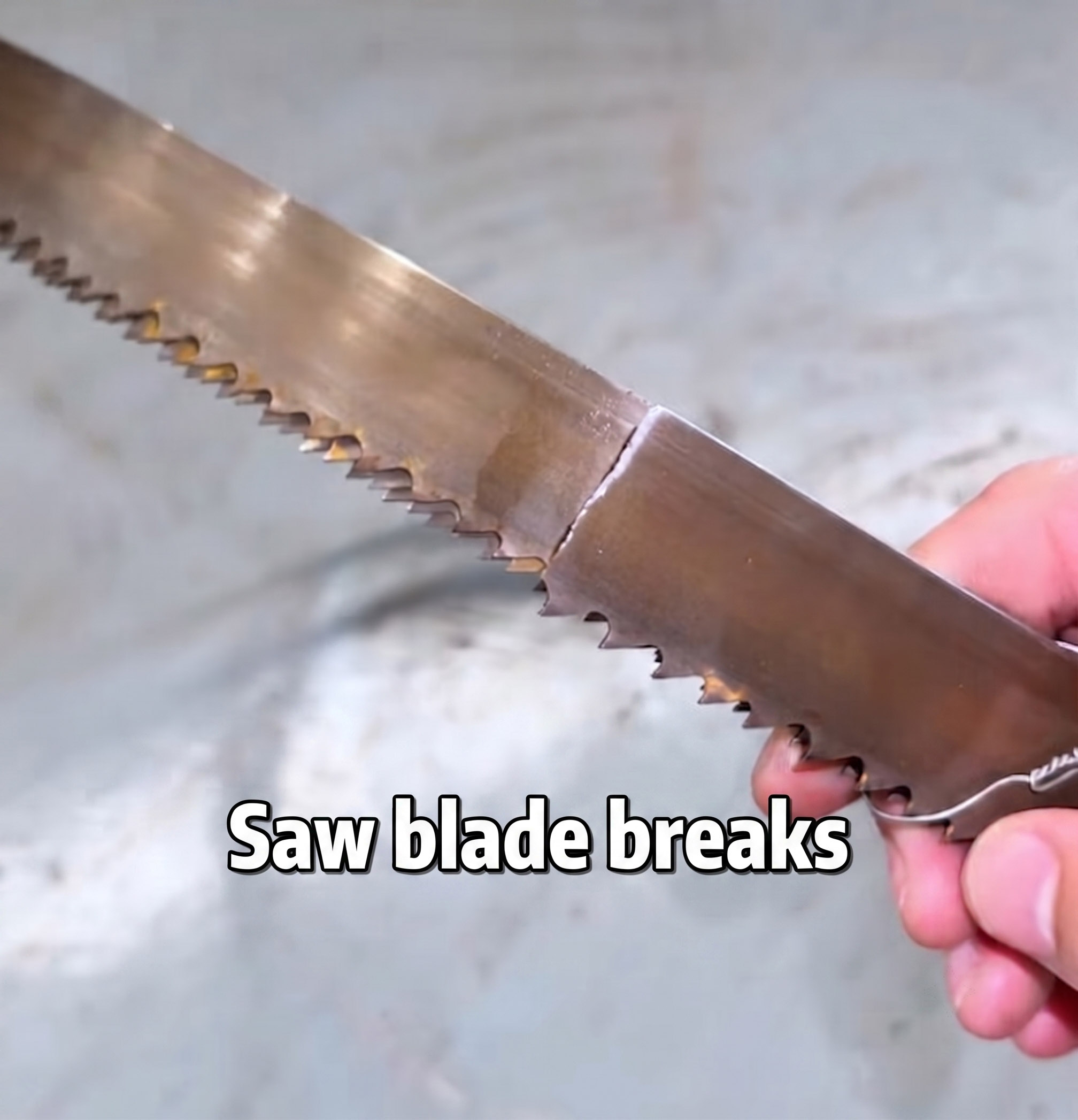
Blade Breakage Diagnostics:
Weld Snaps: Usually indicate excessive tension or poor weld quality.
Horizontal Root Cracks: Often a result of excessive feed impact or guide gaps that are too wide.
Longitudinal Back Cracks: Usually caused by tension exceeding the limit or guide blocks squeezing the blade.
Refit: Recalibrate to standard tension and maintain guide gaps between 0.02mm and 0.05mm.
Blade Runout or Side Wear: If the blade shifts or rubs against the flange, check for non-parallel band wheels or worn-out rubber tires.
II. Hydraulic System Troubleshooting
Saw Frame "Dive" (Rapid/Uncontrolled Drop): This is a safety hazard often caused by damaged check valves, failed throttle valves, or contaminated hydraulic oil.
Weak or Slow Feed: Often linked to low oil levels, worn-out pumps, or clogged intake filters.
Loose Clamping: If the vise is slipping, check the clamping pressure, oil seals, or vise inserts.
Maintenance Tip: Shanghai MFG recommends using 46# anti-wear hydraulic oil and cleaning heat dissipation nets regularly to prevent overheating.
III. Drive and Feeding Systems
Motor Running but Blade Stationary: This typically points to loose/broken V-belts or worn-out gearbox gears.
High Vibration/Noise: Usually stems from damaged wheel bearings or metal-on-metal impact in the gearbox.
Feeding Accuracy: For automatic machines, errors in length are often caused by faulty throttle valves, worn gripper inserts, or misaligned optical sensors.
IV. Mechanical Guides & Frames
Guide Block Wear: If your alloy guides are wearing out prematurely, it is likely due to lack of lubrication or blade misalignment.
Sticking or Crawling Saw Frame: If the frame moves unevenly, check the guide rails for debris, adjust the gib strip gaps, and ensure adequate lubrication.
V. Electrical Control Faults
Start-up Failures: Always check the Emergency Stop, thermal relays, and phase sequence first.
Action Non-responsiveness: If a button press produces no movement, inspect the solenoid coil, PLC output, or limit switches.
Coolant Pump Issues: If the pump is weak or silent, clear metal chips from the pipeline or check the pump impeller.
Why Partner with Shanghai MFG Machinery Equipment Co., Ltd.?
At Shanghai MFG, we don't just supply high-performance machinery; we provide the technical knowledge to keep your operations running smoothly. Our team is dedicated to helping you optimize your cutting parameters and equipment maintenance to minimize downtime and maximize the lifespan of your consumables.
Need specific advice for your material type or machine model?
Whether you are cutting carbon steel, stainless steel, or mold steel, Shanghai MFG Machinery Equipment Co., Ltd. is here to help. Contact us today:info@mfg-machinery.com for professional support and equipment solutions tailored to your production needs.
Optimize your production today. Visit our website at mfg-machinery.com for more technical resources.