
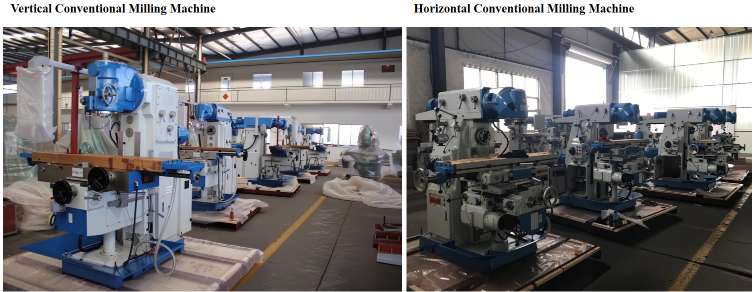
Choose a vertical mill for drilling, face milling, small parts, and repair jobs that change often. The tool is easy to see, and setup is usually quick.
Choose a horizontal mill for deep slots, long side cuts, and heavy material removal. The arbor support holds the cutter at both ends, helping reduce vibration during heavy cuts.
The right choice is not about which machine is “better.” It is about avoiding slow cuts, broken tools, poor finishes, and repeat setups.
The Real Question: Where Does the Cutter Need to Work?
The first is a loader bracket that needs four new holes and a clean top face. A vertical mill makes sense. The operator can see the tool, locate each hole, and move between drilling and face milling with little setup time.
The second is a worn steel block that needs a deep side slot. An end mill on a vertical machine may chatter as the tool reaches deeper. A horizontal mill can hold a side cutter on a supported arbor and cut straight through the slot.
That difference affects more than cutting time. The wrong setup can cause:
- Chatter marks that need another finishing pass
- Broken inserts or cutters
- Slots that are too wide or not straight
- Extra setup and inspection time
- Scrap when there is not enough material for rework
- Machine downtime while the operator looks for the cause
When Does a Vertical Mill Work Better?
A vertical mill approaches the workpiece from above. The operator has a clear view of the tool and cutting point.
It is a practical choice for:
- Drilling mounting holes
- Boring worn holes
- Face milling brackets and plates
- Cutting shallow pockets
- Small batches and one-off repairs
- Jobs that need frequent tool changes
Setup is usually simple. This matters in a repair shop where the next part may be completely different from the last one.
The limit appears during heavy side cutting. A long end mill can act like a lever. As cutting force rises, the tool may bend and vibrate. The result is chatter, short tool life, and a poor finish.
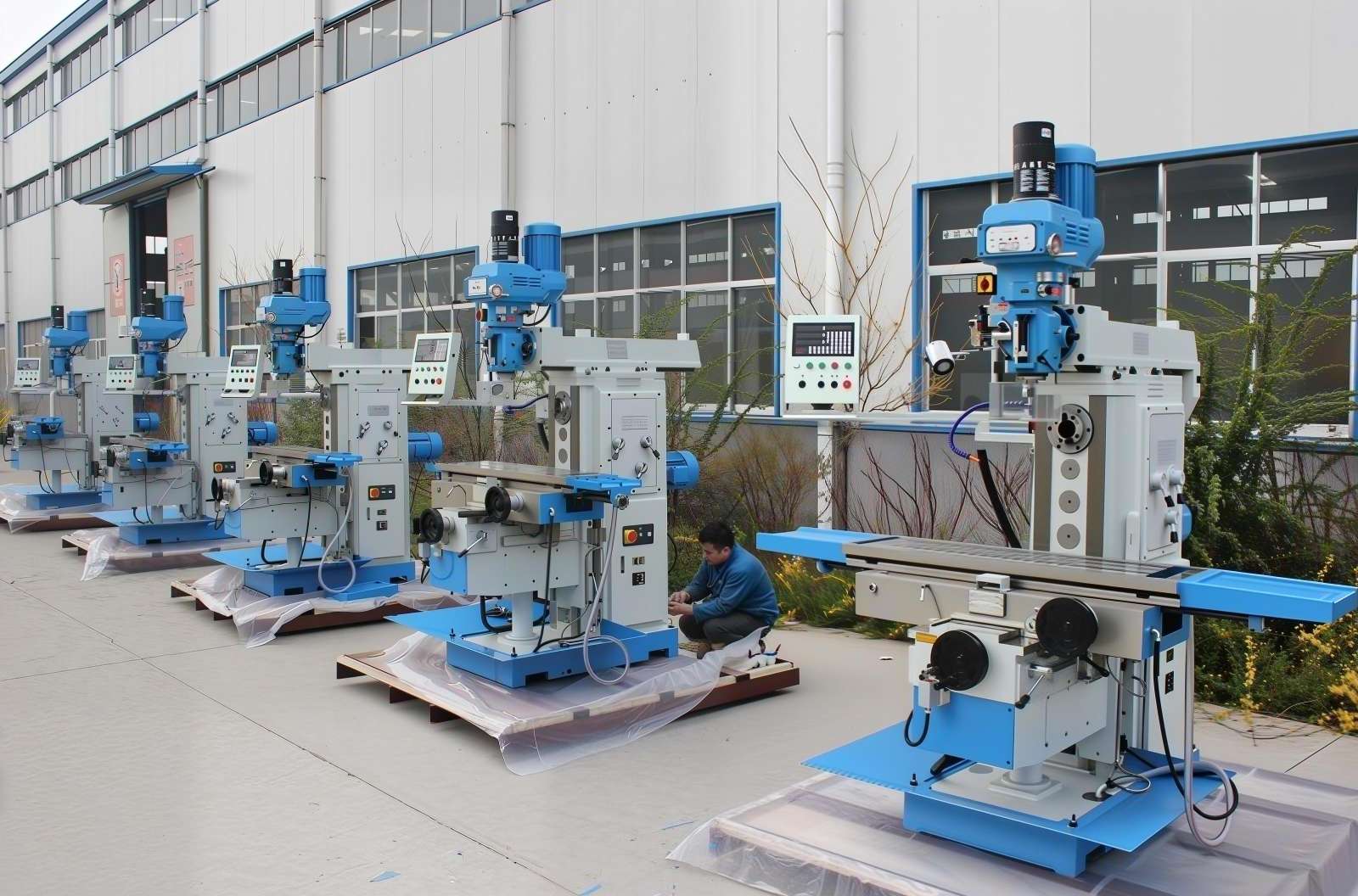
When Does a Horizontal Mill Earn Its Floor Space?
A horizontal mill carries the cutter on an arbor. The overarm and arbor support hold the cutting system close to both sides of the cutter.
This gives the cutter stronger support during:
Deep slot milling
Long keyway cutting
Wide side cuts
Heavy removal of steel or cast iron
Repeated cuts on large repair parts
The benefit is easy to hear on the shop floor. A weak setup produces a sharp, uneven chatter sound. A firm horizontal setup gives a steadier cut and lets the cutter remove more material without moving away from the work.
Chips also tend to fall away from a horizontal cutter. This helps when milling deep slots where trapped chips can damage the cutter and mark the finished surface.
There is no fixed rule that every horizontal mill is “ten times more rigid.” Machine size, wear, cutter position, arbor support, and clamping all matter. But for heavy side cuts, a supported arbor is normally much firmer than a long end mill held at one end.
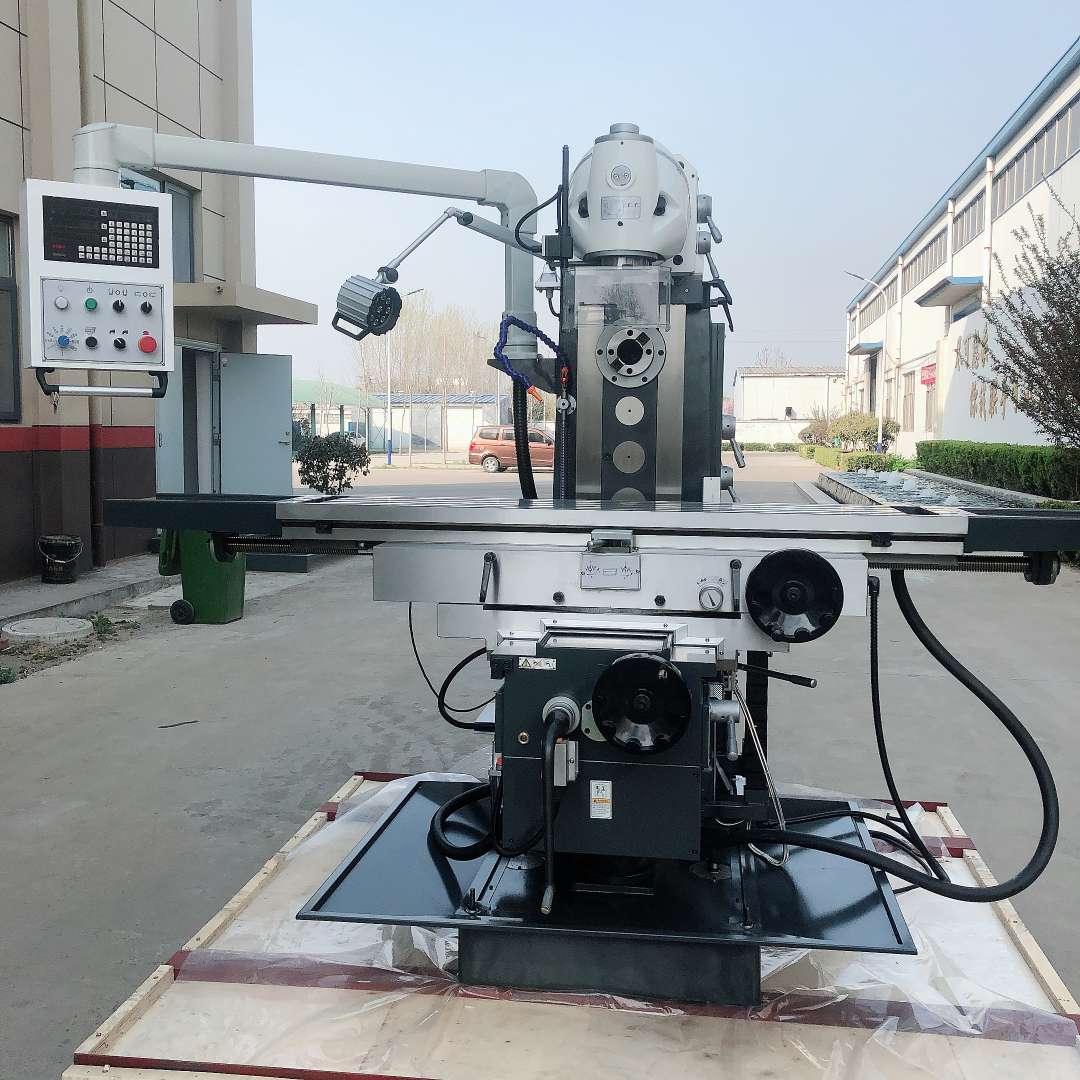
See the available MFG Machinery milling machine range for different spindle layouts, table sizes, and working ranges.
Quick Job Comparison
| Repair job | Better starting point | Main reason |
|---|---|---|
| Drilling holes | Vertical | Clear view and quick setup |
| Face milling a bracket | Vertical | Easy top access |
| Deep side slot | Horizontal | Better cutter support |
| Long keyway | Horizontal | Less cutter movement |
| Mixed one-off repairs | Vertical | Faster job changes |
| Heavy steel removal | Horizontal | More stable side cutting |
If the Cut Chatters, Check These Points First
Do not blame the machine type before checking the setup.
| Problem | Check first |
|---|---|
| Cutter chatters | Reduce cutter or arbor overhang |
| Slot changes width | Check arbor fit and support |
| Workpiece moves | Add clamps near the cutting area |
| Cutter teeth break | Reduce feed and inspect chip flow |
| Surface has waves | Check spindle, table gibs, and tool support |
| Motor slows down | Use a lower gear or lighter cutting depth |
Change one point at a time and make a short test cut. If several settings are changed together, the real cause remains unclear.
What Poor Machine Choice Costs a Repair Shop
A slow cut is easy to see. The hidden costs are often larger.
A vibrating cutter may still finish the job, but it can leave a surface that needs another setup and another pass. A deep slot that runs wide may require welding and machining again. A broken cutter can damage the part, holder, or arbor.
Downtime also spreads beyond the milling machine. The repaired component cannot return to assembly. A crane, loader, press, or production line may remain out of service while the workshop corrects one machining fault.
For this reason, repair shops are looking beyond motor power and table size. They want to know whether the machine can hold the cutter firmly in the direction of the real cut.
Market Insight: Repair Work Is Getting Larger, but Batches Stay Small
Many workshops now receive larger welded parts, worn machine bases, and heavy equipment components. Yet most repair orders are still one-off jobs or small batches.
This creates a clear split.
A vertical mill helps the shop move quickly between different parts. A horizontal mill helps when one heavy cut would otherwise take several light passes.
Some shops need both. Others choose a universal milling machine when floor space is limited and the work includes both top and side machining. The decision should follow the jobs that cause the most delay, tool damage, and rework.
Three Questions Before You Choose
- No.1: Are most cuts made from above or from the side?
- No.2: How deep is the largest slot, and how wide is the cutter?
- No.3: Which current jobs cause chatter, broken tools, or repeated setups?
Choose a vertical mill for flexible drilling and general repair work. Choose a horizontal mill when deep slots and heavy side cuts are slowing the shop down.
For help selecting a milling machine for heavy equipment repair, contact MFG Machinery:
Email: info@mfg-machinery.com
Phone call: +86 175 2133 1995