
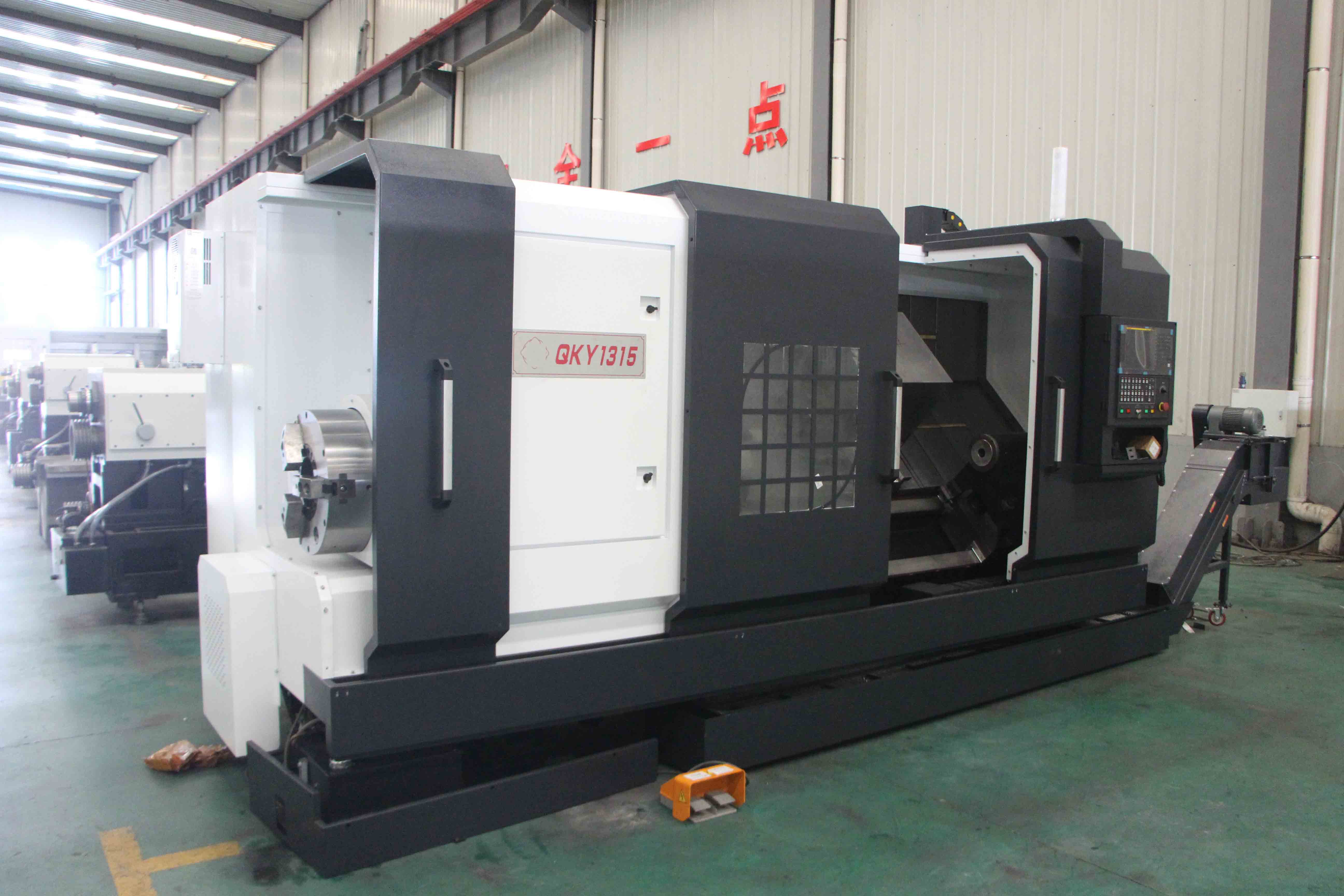
When shopping for machine tools in the metalworking industry, choosing the right lathe can make or break your production line. If your shop deals with pipes, tubes, and threaded joints, you have likely encountered two major options: the pipe thread lathe and the standard lathe.
While both machine metal, they are built for completely different jobs. Below, we break down the core differences between a pipe thread lathe and a standard lathe to help you choose the ideal equipment for your machining operations.
Quick Comparison Table
| Comparison Feature | Pipe Thread Lathe | Standard Horizontal Lathe |
|---|---|---|
| Pictures | |
 |
| Spindle Bore Size | Extra-large; designed for long steel pipes to pass right through | Small; only fits smaller bars or short workpieces |
| Primary Workpieces | Long hollow steel pipes, oil casing, couplings, drill pipes | Shafts, disks, sleeves, short solid/hollow parts |
| Thread Capability | Specialized for pipe threads (G, NPT, Rc, Rp, etc.) | Metric and standard imperial threads |
| Rigidity & Structure | Heavy-duty structure designed to resist heavy tube-cutting shock | Standard general-purpose rigidity; prone to vibration on large tubes |
| Chuck System | Large-diameter 3-jaw/4-jaw chucks; many feature pneumatic/hydraulic clamping | Standard manual or general-purpose chucks |
| Equipment Cost | Higher investment due to large-bore spindle manufacturing | Lower, highly cost-effective general-purpose cost |
1. Spindle Bore Size (The Most Critical Difference)
Pipe Thread Lathe: Built with a massive spindle bore (often ranging from Φ130mm, Φ160mm, to Φ200mm+). Long steel pipes can feed directly through the spindle from the rear. This allows you to machine long pipes continuously without cutting them into short pieces first.
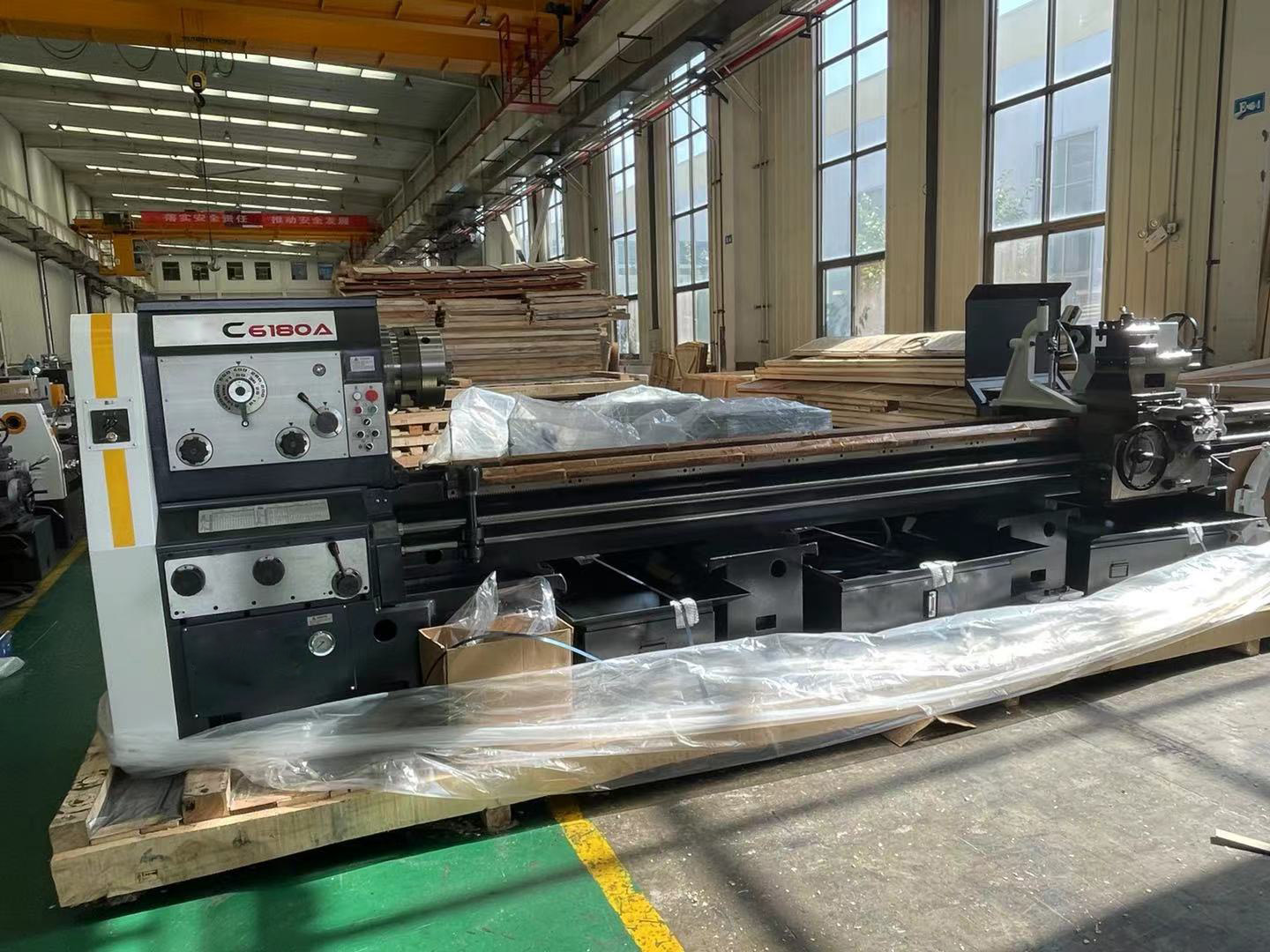
Standard Lathe (e.g., CS6240): Features a much smaller spindle bore—for example, only Φ52mm on a standard CS6240. Bars or pipes larger than the bore cannot pass through. Long steel pipes must be clamped on one end with a massive overhang, causing severe vibration and safety risks.
Simply put: A pipe thread lathe is essentially a "big-bore lathe" engineered specifically for pipe pass-through machining.
2. Chuck and Clamping Structure
Pipe Thread Lathe: Equipped with large-diameter three-jaw or four-jaw chucks, often upgraded with pneumatic or hydraulic clamping to securely grip thick-walled steel pipes. Many models feature both front and rear dual chucks to support both ends of a long pipe, minimizing vibration.
Standard Lathe: Uses standard chucks designed for solid bars and short parts. Clamping heavy, rough industrial steel pipes on a standard chuck is difficult, often leading to slipping and chatter marks.
3. Thread Cutting Capability
Pipe Thread Lathe:
Specialized for cutting 55° and 60° pipe threads, including G, Rc, Rp, and NPT threads.
Geared for standard pipe thread pitches, making it perfect for oilfield casing, water mains, fire protection pipes, and coupling joints.
Enhanced machine rigidity prevents tool chipping and chatter when cutting deep, coarse-pitch pipe threads.
Standard Lathe:
Primarily designed for standard metric and imperial threads.
While some operators attempt to cut NPT or G threads using change gears, standard lathes lack the heavy rigidity required for deep-pitch pipe threads, often resulting in poor thread accuracy and chatter.
4. Bed Rigidity, Load Capacity, and Structure
Pipe Thread Lathe: Features a heavy, reinforced bed and oversized spindle bearings built to absorb severe cutting impacts. Because the workpieces are typically heavy-duty, thick-walled steel tubes, the machine is built to endure high cutting resistance.
Standard Lathe: Designed for versatility across a wide range of small parts. While its rigidity handles general turning, heavy-walled pipes will easily trigger chatter and vibration.
5. Typical Applications and Use Cases
Pipe Thread Lathe: Ideal for manufacturing and repairing water/gas pipes, oil country tubular goods (OCTG) casing, drill pipes, couplings, and fire protection pipe fittings. Best for hollow, large-diameter, and extra-long tubular workpieces.
Standard Lathe: Ideal for general machine shops turning shafts, flanges, bushings, and fasteners. Excels at facing, boring, and standard external turning on solid or short hollow parts.
Which Lathe Should You Choose?
Choose a Standard Lathe if: You primarily machine solid bars, short parts, and standard metric/imperial fasteners.
Choose a Pipe Thread Lathe if: Your workflow requires feeding long steel pipes through the spindle, bulk processing of G/NPT pipe threads, or working with heavy-duty thick-walled tubular components.
Need Professional Guidance? Contact Shanghai MFG
Selecting the right machine tool depends on your exact workpiece dimensions, production volume, and material specifications.
At Shanghai MFG Machinery Equipment Co., Ltd, we specialize in high-performance industrial machinery and export solutions for global manufacturing operations. Whether you are looking for rugged pipe thread lathes, precision conventional lathes, or heavy-duty metalworking equipment, our engineering team is ready to help.
Website: https://www.mfg-machinery.com/
Email: info@mfg-machinery.com
Phone: 008615803802793
Address: Buildings 1-4, No. 408 South Yunzao Road, Baoshan District, Shanghai, China