
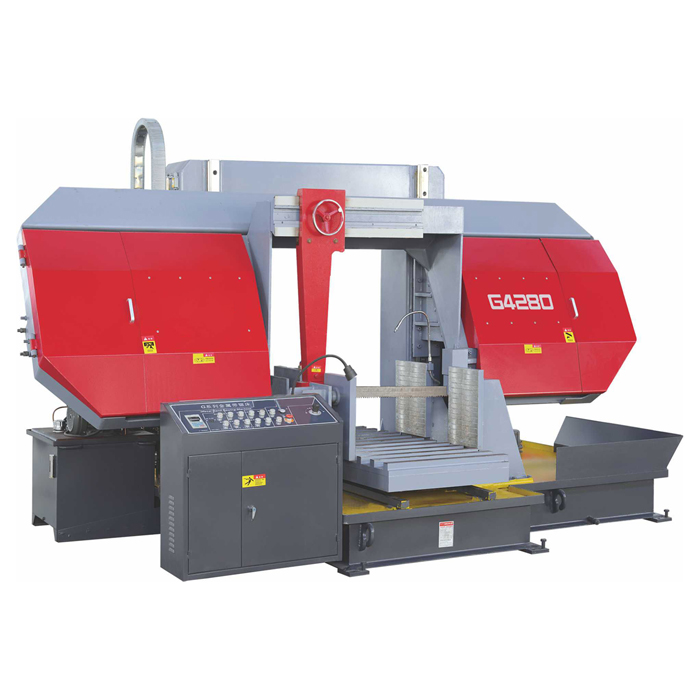
When cutting large-cross-section profiles, heavy forgings, and thick steel plates, ordinary horizontal band saws often fall short. Users frequently encounter severe vibration, blade deviation, premature blade breakage, and heavy burrs due to extreme demands on machine rigidity, feed stability, and guidance systems.
If you are looking for reliable heavy-duty metal cutting solutions for your industrial workshop, choosing the right gantry metal band saw is critical. At Shanghai MFG Machinery Equipment Co., Ltd, we help global clients match their heavy-duty materials with high-performance cutting solutions.
This comprehensive guide breaks down everything you need to know to select the ideal gantry band saw machine for your specific application.
Step 1: Analyze Your Workpiece and Cutting Conditions
Before selecting a machine model, gather your basic operational parameters. Every configuration must be customized around your actual workpieces:
Maximum Cutting Dimensions: Measure the maximum width and height of your profiles or forgings, and always reserve a 10% safety margin. Do not choose a model that just barely fits your dimensions. Large workpieces require extra clearance for loading and alignment; insufficient stroke will cause loading failures.
Material Type: Aluminum profiles, carbon steel, tool steel, stainless steel, or high-temperature alloys. Material hardness directly determines your saw blade selection, feed pressure, and cutting speed.
Cutting Length & Batch Volume: Determine whether you are doing single-piece sizing or high-volume continuous cutting. If you need automatic feeding, factor in the weight capacity of your material feed racks.
Precision Requirements: Check your dimensional tolerance and perpendicularity requirements. Tool steel and structural components demand high squareness, which low-cost economy gantry saws struggle to deliver.
Crucial Warning on Workpiece Weight: Many buyers focus only on maximum cutting dimensions while ignoring workpiece weight. Heavy forgings can warp undersized worktables, causing crooked cuts.
Step 2: Key Structural Components of a Gantry Band Saw
To handle heavy loads and large cross-sections, you must evaluate four core structural elements:
1. Gantry Frame
Always prioritize an integrated cast gantry frame over a thin welded sheet-metal frame.
Thick-wall cast frames offer exceptional vibration dampening and deformation resistance. Heavy-duty cutting generates immense force; welded frames tend to warp over time under thermal and mechanical stress, leading to gradual cutting inaccuracy.
Dual-column guidance ensures parallel vertical movement of the saw head, whereas single-column structures easily deflect under load.
2. Saw Blade Guidance System (Ensures Squareness)
During large-section cutting, saw blades naturally tend to "drift." The guidance system is your first line of defense:
Carbide guide blocks paired with adjustable guide arms should be positioned as close to the workpiece as possible to minimize unsupported blade span.
Heavy-duty models include auxiliary roller guides to absorb lateral cutting forces. Avoid lightweight, simplified guide heads on large machines.
3. Feed Drive System: Hydraulic vs. Servo
Hydraulic Feeding: Cost-effective and well-suited for carbon steel and rough sizing. It provides stable feed pressure, but micro-adjustment precision is average. Pressure fluctuations can cause erratic speeds, increasing the risk of blade breakage on hard materials.
Servo Feeding (Recommended): Ideal for tool steel, stainless steel, and high-precision cutting. It precisely controls feed rate and cutting force with constant-pressure feedback, offering superior impact resistance, extended blade life, and pristine cut surfaces.
4. Worktable and Clamping System
Worktable: Look for heavy steel plate or cast iron worktables with verified load ratings. For massive forgings, auxiliary fixed support brackets are recommended to prevent overhang sag.
Clamping: Use hydraulic vises with optional dual-side clamping. Single-side clamping on large profiles can cause lifting or shifting during cutting, resulting in angled cuts.
Quick Selection Guide: Hydraulic vs. Servo Gantry Band Saws
| Feature / Requirement | Hydraulic Gantry Band Saw | Servo Gantry Band Saw |
|---|---|---|
| Primary Target Materials | Carbon steel, structural steel, general forgings | Tool steel, stainless steel, alloy steels |
| Feeding Control | Constant hydraulic pressure | Precise programmable constant-force servo |
| Blade Life | Moderate | High (optimized tension & feed) |
| Cutting Precision & Finish | Standard industrial tolerance | High precision, minimal burrs |
| Best Suited For | Heavy-duty rough sizing and general fabrication | High-end manufacturing, precision molds, and continuous heavy cutting |
Step 3: Key Specifications and Matching Components
Saw Wheel Diameter: Larger machines feature larger saw wheels, which reduce blade bending stress and fatigue fracture risks. Small wheels cause rapid metal fatigue and frequent blade snaps when cutting thick materials.
Saw Blade Specifications: Match width, thickness, and tooth pitch to your material and cutting height. Wide blades enhance rigidity, while proper tooth pitch prevents tooth stripping.
Cooling and Lubrication System: Massive heat is generated during large-section cutting. A high-capacity coolant tank with multi-port distribution nozzles is essential to cool the cutting zone, reduce wear, and prevent thermal distortion.
Chip Removal System: Heavy cutting produces huge volumes of metal chips. A spiral/screw chip conveyor prevents chip buildup from jamming the blade or wearing down the worktable.
Step 4: Material-Specific Selection Reference
Large Aluminum Profiles: Low cutting resistance. Prioritize high line speeds, servo feeding, and specialized emulsion lubricants to prevent chip adhesion.
Carbon Steel Plates & General Forgings: Standard hydraulic gantry saws are sufficient. Focus on heavy frame rigidity and robust cooling systems for efficient rough cutting.
Tool Steel, Stainless Steel, & Superalloys: Always select servo gantry band saws with constant-feed control, carbide guides, and high-performance bimetal blades running at low speeds with controlled feeds.
Step 5: Common Pitfalls to Avoid in Selection
Do Not Rely Solely on Catalog Specs: Always verify the effective cutting stroke. Some manufacturers quote theoretical limits that cannot be achieved with actual workpiece clamping.
Beware of Lightweight Gantry Designs: Thin frames, undersized wheels, and cheap guides may work initially, but they will vibrate severely over time, driving up maintenance costs.
Demand Test Cuts: Whenever possible, request trial cuts with your exact material specification to check squareness, burrs, and blade stability before finalizing your purchase.
Confirm After-Sales Support: Ensure reliable local sourcing for consumable parts like saw blades, guide blocks, and bearings.
Conclusion:
When cutting large-section profiles, success relies on the perfect synergy between machine frame rigidity, blade guidance, and stable feeding. While standard carbon steel roughing can rely on hydraulic gantry saws, high-value tool steel and precision batch cutting demand advanced servo gantry band saws.
At Shanghai MFG Machinery Equipment Co., Ltd, we specialize in providing reliable, high-performance industrial machine tools and export solutions tailored to your workshop requirements.
Website: https://www.mfg-machinery.com/type/horizontal-straight-cutting-bandsaw
Email: info@mfg-machinery.com
Phone: 008615803802793
Contact our engineering team today to review your cutting specifications and find the ideal gantry band saw for your manufacturing needs!