
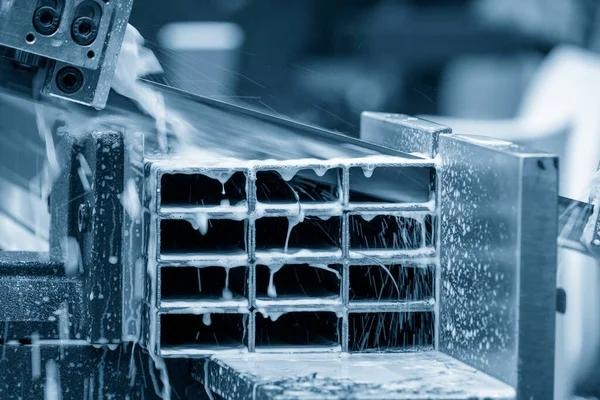
Dry vs. Wet Cutting: Which Band Saw Method is Right for Your Products?
In the world of metal fabrication, choosing the right cutting method is as critical as selecting the right machine. When working with industrial band saws, you will often encounter two primary methods: Wet Cutting and Dry Cutting.
Understanding the differences between these two is essential for optimizing your machine’s performance, extending your blade life, and ensuring high-quality cuts.
1. What is Wet Cutting?
Wet cutting involves using a dedicated cooling system to pump cutting fluid (emulsion or oil) directly onto the blade and the cutting zone.
Why use it?
Superior Thermal Management: Fluid continuously carries away heat, preventing the blade from overheating and losing its hardness (annealing).
Lubrication: It reduces friction between the blade teeth and the material, allowing for a smoother, faster cut.
Chip Removal: The high-pressure flow flushes out metal chips, preventing them from being re-cut, which protects the teeth from chipping.
Corrosion Protection: Most cutting fluids contain anti-rust additives that protect your freshly cut workpieces.
Best for: Heavy-duty production, cutting hard metals (stainless steel, nickel alloys), and operations where precision and finish are paramount.
2. What is Dry Cutting?
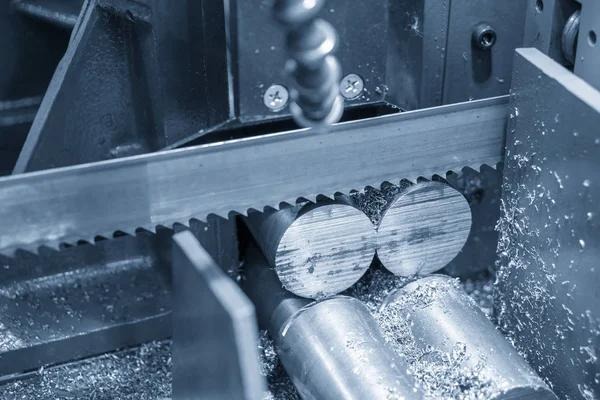
Dry cutting operates without any liquid coolant. While some machines may use a blast of compressed air to clear chips, the cutting process relies entirely on the design of the blade and the speed of the machine.
Why use it?
Environmental Hygiene: No liquid waste to dispose of and no oily mess on the shop floor.
Cost-Efficiency: Eliminates the ongoing costs of cutting fluid, pump maintenance, and filtration systems.
Clean Workflow: The workpiece is ready for welding or coating immediately, with no need for post-cut cleaning.
Best for: Light-duty work, onsite installation, or cutting soft metals like aluminum and thin-walled profiles.
3. Quick Comparison: Which One Should You Choose?
| Feature | Wet Cutting | Dry Cutting |
| Real shot | |
 |
| Blade Life | Long | Short |
| Heat Control | Excellent | Moderate |
| Operational Cost | High (Fluids/Maintenance) | Low |
| Workpiece Finish | High Accuracy | Standard |
| Ideal Application | Batch/Mass Production | Occasional/Light Cutting |
Pro Tips for Maximum Blade Efficiency
Regardless of the method you choose, follow these tips to optimize your results:
Match the Blade: Use specialized bimetal blades if you are performing continuous wet cutting on tough materials.
Monitor Feed Rates: In dry cutting, improper feed pressure can lead to rapid heat buildup. Always adjust your feed speed based on the material's thickness.
Regula Maintenance: If using wet cutting, ensure your coolant filter is clean to maintain efficient fluid flow.
Conclusion
There is no "one-size-fits-all" solution. If your workflow involves high-volume production and complex materials, wet cutting is the industry standard for durability and precision. If you prioritize a clean work environment and work with light-duty materials, dry cutting offers a simpler, more cost-effective alternative.
Still unsure which setup fits your specific project needs?
At MFG Machinery, we specialize in helping operators optimize their production lines. Contact our team today: info@mfg-machinery.com ,for professional advice on equipment selection tailored to your output goals.